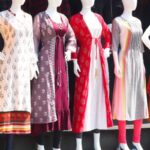

Children’s fashion essentials are about far more than keeping up with trends or dressing kids like miniature adults. At its heart, children’s style is a thoughtful blend of comfort, practicality, durability, and just enough personality to let young identities shine. Clothes should move with them, survive playground adventures, and still feel special enough for family gatherings or school events.
As children grow, their relationship with clothing evolves quickly. One year it’s all about bright colors and fun characters, the next it’s about fitting in with peers or expressing independence. Understanding children’s fashion essentials means appreciating these shifts while building a wardrobe that supports everyday life, changing seasons, and a child’s sense of self.
Why comfort always comes first
Comfort is the foundation of children’s fashion essentials, and there’s no way around it. Children spend their days running, sitting on floors, climbing, stretching, and occasionally refusing to wear something simply because it “feels weird.” Fabrics that are soft, breathable, and gentle on the skin make a noticeable difference in how confidently a child moves through the day.
Natural materials like cotton and cotton blends tend to work well for everyday wear, especially for younger children. Stretchy waistbands, tag-free labels, and relaxed fits aren’t design shortcuts; they’re necessities. When clothes feel good, kids forget they’re wearing them, and that’s usually the goal.
Comfort also extends to weather-appropriate dressing. Layers that can be added or removed easily help children stay comfortable whether they’re indoors, outdoors, or somewhere in between.
Building a versatile everyday wardrobe
At the core of children’s fashion essentials is a collection of everyday pieces that can handle repeated wear and washing without losing shape or appeal. These are the clothes that get pulled from drawers again and again because they simply work.
Everyday tops should be easy to mix and match with different bottoms. Simple designs with subtle details often age better than overly busy patterns. Bottoms, whether trousers, leggings, or skirts, need to allow movement without constant adjustment. Durability matters here, especially at the knees and seams.
A well-rounded everyday wardrobe doesn’t need to be large. A smaller number of thoughtfully chosen pieces often feels more manageable and encourages creativity in how outfits are put together.
Seasonal clothing that actually makes sense
Children’s fashion essentials shift slightly with the seasons, but the core principles remain the same. Seasonal clothing should protect, not restrict, and adapt to unpredictable weather changes.
In warmer months, lightweight fabrics and loose silhouettes help keep kids cool. Sun-protective layers, such as long-sleeved tops made from breathable materials, can be just as important as shorts and dresses. In colder seasons, warmth becomes a priority, but bulky clothing that limits movement can quickly become frustrating.
Layering is one of the most practical approaches to seasonal dressing. A comfortable base layer, a warm mid-layer, and an outer layer designed for weather conditions allow flexibility throughout the day.
Footwear as a fashion essential, not an afterthought
Shoes are often overlooked when thinking about children’s fashion essentials, yet they play a major role in both comfort and confidence. A child who can’t run comfortably or keeps tripping over stiff footwear is unlikely to enjoy their outfit, no matter how stylish it looks.
Well-fitted shoes that support natural movement are essential, especially during early walking years. As children grow older, footwear becomes part of their self-expression. Sneakers, boots, or sandals often carry social meaning at school or in social settings.
The key is balance. Shoes should suit the child’s daily activities first, with style following closely behind. A small rotation of reliable footwear options usually works better than too many rarely worn pairs.
Letting personality show through style
One of the most enjoyable parts of children’s fashion essentials is watching personality emerge through clothing choices. Even young children have strong opinions about colors, textures, and themes. Allowing some level of choice helps build confidence and independence.
Personal style doesn’t require dramatic outfits. It might show up in a favorite color worn repeatedly, a love for stripes, or a preference for relaxed silhouettes. As children get older, clothing becomes a way to experiment with identity, and having a supportive environment for that exploration matters.
Guidance is still important, especially when it comes to practicality and appropriateness, but there’s room for compromise. A child who feels heard is more likely to feel comfortable and confident in what they wear.
Dressing for school, play, and special moments
Children move between different environments throughout the week, and their clothing needs to keep up. School outfits often require a balance between comfort and neatness. Play clothes need to handle mess and movement without constant worry. Special occasions call for outfits that feel a little more polished without becoming uncomfortable.
Children’s fashion essentials bridge these worlds by focusing on adaptable pieces. A simple dress that works for both school and family gatherings, or trousers that look tidy but feel relaxed, reduce the need for completely separate wardrobes.
When special outfits are involved, comfort still matters. Children enjoy celebrations more when they aren’t distracted by stiff fabrics or restrictive designs.
Durability and care in real life
Children’s clothes live hard lives. They’re washed frequently, worn in unpredictable conditions, and often handed down or shared between siblings. Durability is a quiet but crucial part of children’s fashion essentials.
Well-constructed seams, colorfast fabrics, and designs that don’t rely on delicate embellishments tend to last longer. Easy-care clothing also reduces daily stress. Items that can be machine washed and don’t require special treatment are far more practical for busy households.
There’s also something satisfying about clothes that age well. A favorite hoodie that softens over time or jeans that fade naturally often become cherished items, full of memories.
Growing bodies and flexible sizing
Children grow quickly, sometimes seemingly overnight. Clothing that allows a little room for growth is a valuable part of children’s fashion essentials. Adjustable waistbands, relaxed cuts, and flexible fabrics help extend the life of garments without sacrificing comfort.
Oversized clothing isn’t always the answer, especially if it restricts movement or becomes a safety issue. Instead, thoughtful design that accounts for growth can make everyday dressing smoother and more economical.
Understanding that growth spurts are unpredictable encourages a more flexible approach to building a wardrobe, focusing on adaptability rather than perfection.
The emotional side of children’s clothing
Clothing plays a subtle but powerful role in how children see themselves. Feeling comfortable, confident, and accepted in what they wear can influence mood, participation, and social interactions. Children’s fashion essentials support this emotional layer by creating a sense of security and familiarity.
Familiar favorite pieces can provide comfort during transitions, such as starting a new school year or attending unfamiliar events. Over time, children begin to associate certain clothes with positive experiences, reinforcing their sense of identity.
This emotional connection is often overlooked, yet it’s one of the reasons children’s fashion feels so meaningful beyond appearance.
A thoughtful approach to children’s fashion essentials
Children’s fashion essentials aren’t about chasing trends or building picture-perfect wardrobes. They’re about meeting children where they are, supporting how they move, play, and grow, and allowing room for self-expression along the way. When clothing works well, it fades into the background, letting children focus on being children.
A thoughtful approach values comfort without ignoring style, durability without sacrificing personality, and practicality without feeling dull. By focusing on these core ideas, children’s fashion becomes less about rules and more about understanding real lives, real movement, and real moments. In the end, the best children’s fashion essentials are the ones that quietly support everyday adventures, season after season.