
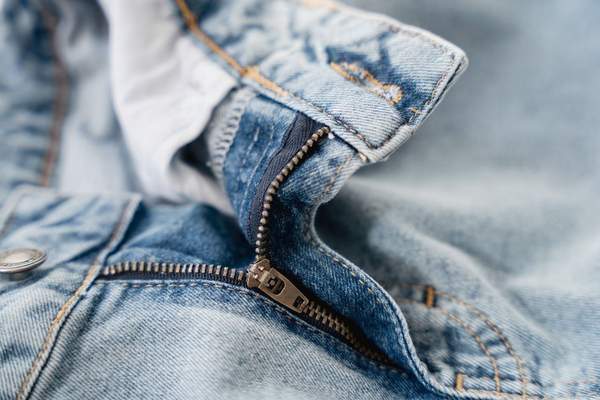
A shirt can look ordinary and still contain one of adaptive fashion’s most useful changes. Instead of pushing each button through a small buttonhole, magnetic closure clothing hides paired magnets behind the placket. Bring the two sides together and they guide themselves into place, while decorative buttons preserve the familiar appearance.
That substitution matters because conventional fasteners demand grip strength, fingertip control and coordination. Arthritis, tremor, weakness after a stroke, limb difference, injury and reduced vision can all turn dressing into a tiring task. Magnetic clothing closures do not suit everyone, but they can make getting dressed faster, less painful and more private.
How magnetic clothing closures work
Most designs place small magnets inside fabric tabs or behind decorative buttons. Some run down a shirt front or sit at cuffs and trouser flies. Others create openings at shoulders, sleeves or trouser legs to make room for braces, casts or prosthetic limbs.
The magnets help align the fabric, so the wearer does not need to pinch, twist and push with the same precision required by a button. Many people can close the garment with one hand or by pressing the layers together with the palm. Opening usually involves pulling the two sides apart.
Why a small fastener can have a big effect
Greater independence
Easy dressing clothing is often described as convenient, but independence is the more meaningful benefit. Fastening a work shirt, school blouse or pair of trousers without assistance can protect privacy and restore a sense of control. It may also reduce the help required from a family member or carer.
Less demand on painful or unsteady hands
Buttons require several movements at once: locating the hole, gripping the button, maintaining tension and pushing it through. Magnetic closures simplify that sequence. They can be especially useful on days when pain, stiffness or fatigue is worse, even for someone who manages standard fasteners at other times.
A familiar appearance
Hidden magnets allow garments to retain traditional collars, plackets and decorative buttons. Tommy Hilfiger’s Adaptive range uses magnetic closures alongside features such as one-handed zips and openings designed around prosthetics. MagnaReady also builds magnetic systems into shirts, trousers and outerwear while keeping a conventional menswear look.
Who may find magnetic fasteners useful?
A person may need accessible fasteners permanently, temporarily or only on difficult days. Magnetic systems may help people with arthritis, Parkinsonian tremor, multiple sclerosis, reduced hand strength, limited reach, limb difference or one-sided weakness after a stroke. They can also be practical during recovery from hand, shoulder or upper-body surgery.
Consider someone returning to office work after a wrist operation. A standard shirt may be easy to pull on but impossible to button with one hand. A magnetic shirt closes with broader movements while still looking professional. The benefit is not simply saving a minute; it removes a point of dependence from every working morning.
Magnets are not always the best answer. Some wearers prefer large poppers, hook-and-loop tape, elastic waists, loop pulls or side openings. Sensory preferences, hand strength, posture and closure location all influence whether a garment is genuinely accessible. A helpful related guide would cover choosing adaptive clothing for different mobility needs.
An essential safety check before buying
Fixed magnets can interfere with some implanted medical devices. UK government guidance notes that magnets in clothing fastenings may affect devices such as pacemakers, implantable cardioverter defibrillators and cochlear implants when placed too close. Because shirt and jacket closures may sit near the chest, anyone with an implanted or body-worn medical device should check the manufacturer’s instructions and speak to their clinical team before wearing magnetic garments.
Do not assume a small magnet is harmless. Some adaptive collections offer magnet-free alternatives using hook-and-loop fasteners, snaps or modified zips. Magnetic garments should also be disclosed before an MRI scan or other medical procedure and removed when instructed.
Parents should check age guidance and inspect children’s clothing regularly. A damaged closure containing a loose magnet requires immediate attention because swallowed magnets can cause serious injury.
What to check when shopping
Start with the exact dressing problem rather than a diagnosis. If cuffs are the main obstacle, magnetic cuffs or wider sleeves may be enough. For someone who dresses while seated, back length, pocket position, rise and pressure points may matter as much as the fastener.
Read the product description carefully. Confirm whether “easy close” means magnets, snaps or hook-and-loop tape, whether the complete placket is adaptive and whether any decorative button still needs fastening. Product photographs should show both the outside and the mechanism.
Fit is equally important. Magnets work best when both sides meet without excessive tension. A tight shirt may pop open, while a loose garment can misalign. Measure the wearer in their usual dressing position, particularly for seated clothing.
Follow the care label. Some manufacturers advise closing magnets before washing to reduce snagging and protect alignment. Check restrictions on tumble drying, ironing and professional cleaning. A useful companion article here would be how to wash and care for adaptive clothing.
Good design considers the whole dressing sequence
A magnetic fly offers limited value if the waistband still has a difficult hook. A magnetic shirt front may disappoint if the cuffs use tiny standard buttons. Strong adaptive products examine every stage of putting the garment on, fastening it, wearing it comfortably and taking it off.
Closures should be intuitive, securely enclosed and easy to operate. Seams should lie flat, and extra layers should not create pressure. Style choice matters too: accessible clothing is more useful when people can choose colours, cuts and fabrics that reflect their identity. Another natural internal topic is inclusive fashion brands making everyday clothing easier to wear.
Frequently asked questions
Are magnetic closures strong enough for everyday clothing?
Well-designed closures should hold during normal wear, but performance depends on magnet strength, placement and fit. Test the garment while sitting, reaching and walking before relying on it away from home.
Can magnetic clothing go in a washing machine?
Many magnetic garments are machine washable, but the care label is the authority for that item. Closing the fasteners before washing is commonly recommended, and a laundry bag may help protect delicate pieces.
Is magnetic closure clothing safe with a pacemaker?
It may not be suitable. Magnets can affect pacemakers and other implanted devices when close to the implant. Ask the device manufacturer and clinical team, and select a clearly labelled magnet-free option when advised.
Can ordinary clothes be converted to magnetic closures?
Some alteration specialists can replace conventional fasteners with magnets. The result should be checked for secure attachment, alignment, washability and medical-device safety. Purpose-designed clothing may work better when wider openings or seated-wear features are also required.
A small change that removes a repeated barrier
The best adaptive design often disappears into the garment. Magnetic fasteners can reduce pain, frustration and reliance on help while preserving the appearance of a favourite shirt or smart outfit. Their value comes from making an everyday task feel ordinary again.
Choose them thoughtfully: identify the difficult movement, check the full dressing sequence, confirm fit and care requirements, and treat implanted-device safety as non-negotiable. When those details align, one small closure can make a meaningful everyday difference.