
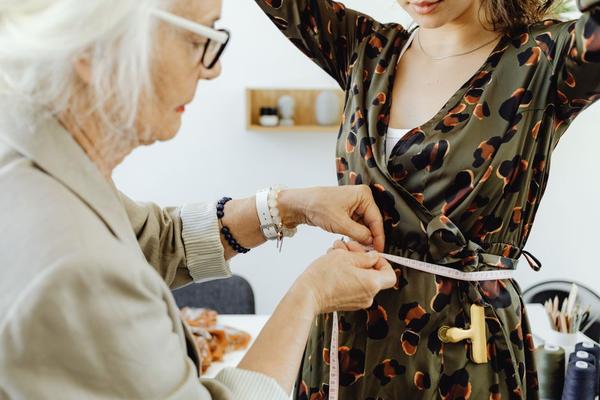
A wedding dress can look wonderful at purchase and still need adjusting before the ceremony. Hemming, bodice shaping, straps, and a train bustle each have their own place in the process. A clear wedding dress alteration timeline helps you decide when to book each appointment, what to bring, and when your gown should be ready to collect.
As a starting point, many bridal alterations take place over the final eight to twelve weeks, often with three fittings. The exact schedule depends on your gown and the work required. Build it around your collection deadline, particularly if you will travel before the wedding.
Three to Six Months Before: Choose Your Seamstress
Contact bridal alterations specialists before you need work done. Busy studios may have limited appointments, and intricate lace, beadwork, corsetry, or major design changes can require extra time. Ask about experience with your dress style, estimated costs, the number of fittings, and the expected collection date.
Explain any plans to add sleeves, change a neckline, or resize the gown substantially. Those changes are not comparable to a basic hem. If your dress is still on order, confirm its delivery date and ask how the studio handles delays. You can reserve availability now, but accurate pinning must wait until the gown arrives.
Eight to Twelve Weeks Before: The First Fitting
This is where your gown alterations schedule takes shape. The seamstress checks the bust, waist, hips, shoulders, skirt length, and overall balance. Major adjustments are discussed and pinned, including hemming, taking in seams, changing strap length, and creating a bustle if the gown has a train.
Bring the Shoes and Undergarments You Will Wear
Your heel height determines where the hem falls. A different bra or shapewear can change the bodice’s fit. Wear the intended accessories to every fitting, or tell your specialist immediately if something changes. For example, switching from high heels to flat shoes after the hem is pinned could leave the front of the dress dragging.
Ask how any decorative hem border or lace appliqué will be handled. Cutting straight through elaborate trim may not be appropriate. If the bodice has built-in support or boning, discuss how proposed changes may affect comfort and structure.
Do not evaluate the fit while standing still. Walk, sit down, turn, and breathe comfortably. A gown should feel secure without pinching, slipping, or making movement difficult. Mention concerns while there is time to fix them.
Four to Six Weeks Before: The Second Fitting
By your next appointment, the major changes should be taking shape. Check that the hem clears your shoes, the waist lies smoothly, and the neckline stays in position as you move. If the dress bunches when you sit or pulls when you turn, point it out.
This is a useful time to test the bustle, which lifts a train for easier movement after the ceremony. Ask the seamstress to explain how it fastens and whether the fabric sits evenly. Some bustles need refinement after the skirt has been shortened.
One to Two Weeks Before: The Final Fitting
The last fitting should be a confirmation, not the starting point for a major redesign. Check the gown from every angle and test sitting, walking, the closure, and the bustle. Make sure straps stay in place and there is no uncomfortable pressure around the ribs or waist.
If someone will fasten the back or bustle the train on the wedding day, bring that helper if the studio allows it. Let them practise under supervision. A short video of the bustle demonstration, recorded with permission, can prevent confusion over hidden ties and loops.
Ask whether the gown is ready to collect or needs a minor correction, steaming, or pressing. Agree on the exact pickup date. If you are leaving town before the ceremony, the dress must be finished before your departure, not merely before your wedding date.
Collection: Check the Dress Before Taking It Home
Inspect any removable sleeves, straps, fastenings, or accessories before leaving the studio. Ask for instructions about steaming and storage; delicate lace, beadwork, and certain fabrics need careful handling. Keep the dress in a protective garment bag in a clean, dry space away from makeup, food, and pets.
When Your Bridal Alterations Timeline May Be Different
Complex Construction or Significant Changes
Reshaping a structured corset, relocating lace motifs, altering several skirt layers, or adjusting extensive beadwork may take longer than routine hemming. Book a consultation early and ask whether additional fittings will be needed. Your seamstress should set a realistic timetable after examining the actual dress.
Fit Changes Between Appointments
Bodies fluctuate naturally. Tell the specialist promptly if the dress feels tighter or looser. Avoid planning alterations around a predicted future size. A comfortable fit during your appointments gives the seamstress more useful information than a hoped-for measurement.
If you are still choosing accessories, useful related topics to explore include bridal undergarments for wedding dresses, wedding shoe heights for gown hemming, and how wedding dress bustles work. Sorting these decisions early makes the fitting process smoother.
Example: A Wedding on 20 June
Imagine a dress with a fitted bodice, full skirt, and long train. You reserve an alteration specialist in February, have the first fitting in early April, return in mid-May to check the hem and bustle, and attend the final fitting in early June. You then have time to collect the finished gown before 20 June.
But suppose your flight to the wedding venue leaves on 16 June. That becomes your real collection deadline. Tell the seamstress at the first appointment and build the wedding dress fittings around travel, not just the ceremony.
What If Your Wedding Is Less Than Eight Weeks Away?
Contact a bridal seamstress immediately, explain the alterations needed, and ask about available appointments. Straightforward work may fit a shorter schedule, depending on workload. Major reconstruction or intricate decoration might not. Prioritize safe movement and a secure, comfortable fit over optional embellishment.
Share photographs when making an enquiry, but expect an in-person fitting before accurate measurements or a firm assessment of the work. Confirm your pickup date before agreeing to rush alterations.
Frequently Asked Questions
When should I schedule my first wedding dress fitting?
Usually eight to twelve weeks before the ceremony, once the gown is available. Contact the studio earlier to secure an appointment.
How many wedding dress fittings are normal?
Three is common. Simple adjustments may need fewer appointments, while extensive alterations may require more.
Can I change shoes after the hem is pinned?
Yes, but a change in heel or sole height can affect the finished length. Bring the new pair to your seamstress as soon as possible.
When should I collect the finished gown?
After the final fitting and any remaining work, with enough time before your wedding or travel departure. Confirm the date directly with your studio.
Keep the Final Days Free of Alteration Surprises
A dependable wedding dress alteration timeline begins with an early booking, moves through major adjustments and careful movement checks, and finishes with a final fit confirmation. Keep accessories consistent, communicate concerns at each appointment, and protect your collection deadline. That gives your gown the best chance of looking polished and feeling comfortable on the day.