
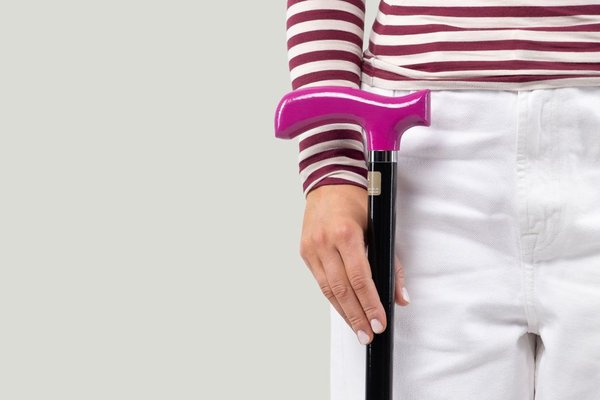
Getting dressed can become demanding when hands are stiff, balance is less reliable, shoulders do not move as freely, or fatigue arrives early. Adaptive fashion for seniors addresses those barriers without assuming comfort should replace personality. The best pieces look like clothes first: a favourite cardigan, smart trousers, a soft blouse, or a polished dress that is easier to put on and take off.
Clothing can support independence and make assisted dressing less awkward, but it can also preserve the ability to keep dressing like yourself. Senior clothing options are most useful when they solve a real difficulty while respecting colour, fit, fabric, and the wearer’s usual style.
Start With the Dressing Problem, Not the Age Label
“Senior fashion” is not one set of needs. One person may dress independently but struggle with tiny buttons because of arthritis. Another may have good hand strength but find bending to reach shoes difficult. Someone who uses a wheelchair may need trousers that sit comfortably while seated, while a person receiving dressing assistance may benefit from garments that open more widely.
Identify the hardest part of the routine. If fastening is the problem, look for larger zip pulls, hook-and-loop closures, easy snaps, or pull-on styles. If reaching is difficult, front-opening garments may be more practical than back fastenings. If standing balance is limited, clothes that can be put on while seated can make dressing calmer and safer.
For people with arthritis, this approach is especially useful. Arthritis organisations and NHS occupational-therapy guidance recommend alternatives to fiddly buttons, along with zipper aids or larger pulls. Sometimes one thoughtfully chosen feature solves the problem without requiring a specialised wardrobe.
Adaptive Features That Make a Real Difference
Easy fastenings
Buttons, small hooks, traditional bra clasps, and stiff zips demand fine finger control. Magnetic fasteners, hook-and-loop tabs, larger snaps, and oversized zipper pulls can reduce that demand. A conventional-looking shirt can even keep the appearance of buttons while using hidden easy closures underneath.
Magnetic closures do need a safety check. The American Heart Association advises people with pacemakers or implantable cardioverter-defibrillators to keep magnets at least six inches from the implanted device. Anyone with one of these devices should check garment closure placement and follow advice from their clinician or device manufacturer.
Pull-on waists and flexible fits
Elastic or partially elasticated waistbands can make trousers and skirts easier to manage when hand strength, dexterity, or balance is reduced. Easy dress clothing for elderly shoppers now extends beyond basic sweatpants to tailored pull-on trousers, ponte-knit pants, straight-leg styles, and flexible skirts.
A little stretch can also help clothing move over shoulders, hips, and knees with less effort. The aim is enough room and flexibility for comfortable dressing without excess fabric that feels bulky or gets in the way.
Open-back and side-opening garments
For someone who needs significant help dressing, open-back tops, dresses, or nightwear can reduce lifting, reaching, and pulling. Side-opening trousers may also help with seated dressing or personal care. Closures should be positioned so they do not create uncomfortable pressure points.
Fit should be judged in the position the person spends most time in. A waistband that feels fine while standing may dig in while sitting for hours. Seams, pockets, and fasteners should therefore be checked from the seated or lying position in which the garment will actually be worn.
Comfort Should Still Look Intentional
Comfortable senior fashion works best when it avoids an institutional appearance. Soft fabrics, stretch, well-finished seams, and easy-care materials can improve wearability, but colour and silhouette still matter. A navy cardigan with an easy front closure can feel familiar. A printed blouse can use hidden fasteners, and a knit dress can offer stretch without losing shape.
Keep existing preferences at the centre. If someone has always worn collared shirts, seek adaptive collared shirts rather than replacing them with T-shirts. For tailored looks, choose stretch fabrics and pull-on construction with a structured finish.
Related wardrobe topics may include adaptive footwear for older adults, arthritis-friendly dressing tips, and choosing comfortable fabrics for sensitive skin.
Try One Complete Outfit Before Replacing a Wardrobe
Imagine Margaret, who has stiff fingers in the morning and finds overhead tops painful on her shoulders. Her usual outfit includes a pullover blouse, buttoned trousers, socks, and lace-up shoes. Instead of buying a full adaptive wardrobe, she tests a front-opening blouse with easy closures, pull-on trousers, softer-cuff socks, and supportive slip-on shoes.
The useful question is not whether each item is labelled adaptive. It is whether Margaret can dress with less discomfort, less bending, fewer difficult hand movements, and less help. If the blouse works but the shoes feel unstable, she keeps the blouse and changes the footwear. Testing one outfit first prevents expensive mistakes and shows which adaptations genuinely improve the routine.
Try clothing when dressing is normally hardest. Stiffness, swelling, fatigue, and mobility can vary, so an item that feels easy at midday may be harder to use first thing in the morning.
What to Look For When Shopping
Choose function that matches the wearer rather than collecting adaptive features. Check whether the garment can be put on seated, whether closures work with the person’s usual grip, whether openings are wide enough, and whether seams or fasteners press against sensitive areas. Wash-care matters too; complicated ironing or dry cleaning can add work.
Footwear deserves equal attention. The National Institute on Aging recommends well-fitting shoes with suitable support and nonskid soles for activity. Slip-on or hook-and-loop styles may also reduce bending and lace handling, provided the shoe remains secure on the foot.
Above all, involve the wearer wherever possible. Adaptive clothing should increase control, not take it away. Offering a few suitable choices can preserve preference without making dressing an exhausting decision.
Frequently Asked Questions
What is adaptive fashion for seniors?
It is clothing designed or selected to make dressing easier for people with reduced dexterity, mobility, balance, strength, or a need for assistance. Features may include easy closures, stretch fabrics, pull-on waists, larger openings, seated-fit construction, or alternative access points.
Does adaptive clothing have to look medical?
No. Hidden easy fasteners, tailored elastic-waist trousers, attractive knitwear, and stylish slip-on shoes can provide practical benefits without changing someone’s personal aesthetic.
Are magnetic closures safe for everyone?
Not necessarily. Magnets can interfere with some implanted cardiac devices. People with pacemakers or ICDs should follow medical and manufacturer guidance and keep magnets the recommended distance from the implant.
How do I choose the right adaptive feature?
Watch where the dressing routine becomes difficult. If buttons are the barrier, change the fastening. If bending is difficult, rethink footwear or lower-body dressing. If assisted dressing is uncomfortable, consider garments with wider, side, or back openings. Solve the specific problem first.
Style and Ease Can Belong in the Same Wardrobe
The strongest adaptive wardrobe is built around the person: what they can do comfortably, where they need support, what fabrics they enjoy, and how they want to look. Small changes such as an easier fastening or a better waistband can preserve independence without asking someone to surrender familiar clothes.
That is the real promise of adaptive fashion for seniors. Dressing becomes less of an obstacle, while style remains personal, recognisable, and entirely their own.