
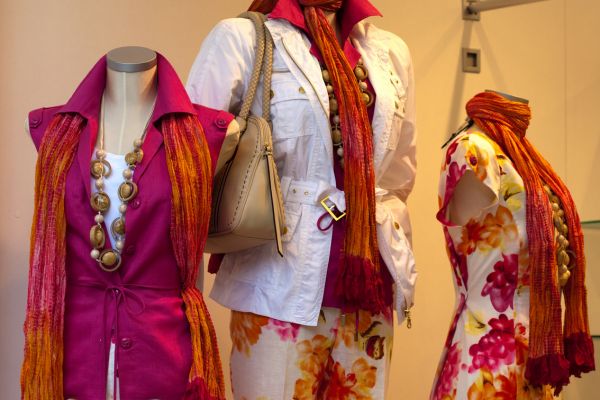
There was a time when clothing served a simple purpose—protection, comfort, and maybe a bit of personal expression. Today, that idea is quietly evolving. Fabrics are no longer passive. They can sense, react, and even communicate. This shift has given rise to smart clothing, a category that sits somewhere between fashion and technology, blurring the lines in ways that feel both exciting and, at times, a little surreal.
It’s not just about novelty. Smart clothing is beginning to change how people interact with their bodies, their environments, and even their daily routines. And while it may still feel like something from the future, it’s already here—just not always in ways we immediately recognize.
What Smart Clothing Really Means
At its core, smart clothing refers to garments that are enhanced with technology. This can include embedded sensors, conductive fibers, or tiny electronic components woven directly into the fabric. Unlike wearable gadgets that sit on top of the body, these pieces integrate seamlessly into what you wear.
Some smart clothing items monitor physical activity, tracking steps, posture, or muscle movement. Others go further, measuring heart rate, temperature, or even hydration levels. There are garments designed to heat up in cold conditions or cool down when temperatures rise. And then there are experimental designs that respond to light, sound, or motion—clothing that feels almost alive.
What makes smart clothing different from traditional wearables is its subtlety. It doesn’t demand attention. Instead, it becomes part of the background, quietly doing its job while you go about your day.
The Intersection of Fashion and Function
One of the most interesting aspects of smart clothing is how it merges two worlds that don’t always naturally align: fashion and function.
Fashion has always been about aesthetics, identity, and self-expression. Technology, on the other hand, is driven by performance and efficiency. When these two meet, there’s often tension. A garment can be highly functional but lack visual appeal, or it can look beautiful but offer little in terms of innovation.
Smart clothing attempts to bridge that gap. Designers and engineers are working together to create pieces that don’t compromise on either side. The goal isn’t just to make clothes smarter, but to make them feel natural—something you’d want to wear regardless of the technology inside.
It’s a delicate balance. Too much emphasis on tech, and the garment risks becoming gimmicky. Too much focus on style, and the functionality may fade into the background. The most successful examples tend to be those that don’t draw attention to the technology at all.
Everyday Uses That Feel Surprisingly Practical
While some concepts of smart clothing sound futuristic, many applications are surprisingly practical.
In fitness and health, smart garments are already making a quiet impact. Instead of relying on wrist-based trackers, people can wear shirts or leggings that monitor movement with greater accuracy. These garments can detect subtle shifts in posture or muscle engagement, offering insights that traditional devices might miss.
In healthcare, the possibilities are even more compelling. Smart clothing can be used to track vital signs over long periods, providing continuous data without the need for bulky equipment. For patients recovering from surgery or managing chronic conditions, this kind of monitoring can be both convenient and reassuring.
Even in everyday life, small innovations are beginning to emerge. Jackets that adjust insulation based on temperature changes. Socks that track pressure points for better foot care. Clothing that can alert you if you’ve been sitting too long. None of it feels dramatic, but together, it hints at a broader shift in how clothing interacts with the body.
The Quiet Role of Materials and Fabric Innovation
Much of the magic behind smart clothing doesn’t come from visible gadgets but from the materials themselves.
Traditional fabrics are being reimagined. Conductive threads can carry electrical signals without compromising comfort. Flexible sensors can stretch and move with the fabric, maintaining accuracy without feeling intrusive. Some materials can even generate small amounts of energy through movement, reducing the need for external power sources.
These innovations are subtle, but they’re crucial. If smart clothing is going to become part of everyday life, it needs to feel like normal clothing. It has to be soft, breathable, and durable. It needs to survive washing machines, long days, and the unpredictability of daily wear.
The challenge isn’t just technical—it’s experiential. The technology must disappear into the fabric, leaving behind something that feels familiar.
Challenges That Still Shape the Industry
For all its promise, smart clothing is still navigating a few significant challenges.
Durability is one of the biggest concerns. Clothing goes through a lot—washing, stretching, exposure to the elements. Integrating electronics into something so dynamic isn’t simple. Even small improvements in durability can make a big difference in how widely these garments are adopted.
Battery life is another ongoing issue. While some smart clothing uses low-power systems, others still rely on rechargeable components. Finding ways to extend battery life—or eliminate the need for charging altogether—remains an important area of development.
There’s also the question of privacy. As clothing becomes capable of collecting more personal data, concerns about how that data is stored and used naturally follow. It’s not a problem unique to smart clothing, but it feels more intimate when the technology is literally woven into what you wear.
And then there’s the matter of cost. Advanced materials and integrated technology can make these garments more expensive than traditional clothing. As production scales and technology evolves, prices may become more accessible, but for now, it’s still a consideration for many.
How Smart Clothing Is Changing the Way We Think About Fashion
Beyond the technical aspects, smart clothing is subtly reshaping how people think about fashion itself.
Clothing is no longer just about appearance or comfort. It’s becoming interactive. It can respond to your body, your environment, even your habits. This shift introduces a new dimension to personal style—one that includes functionality as part of the expression.
It also raises interesting questions about identity. If your clothing can adapt or change in real time, what does that mean for personal style? Does fashion become more fluid, less fixed? These aren’t questions with clear answers yet, but they point to a broader transformation.
In some ways, smart clothing makes fashion feel more personal. It’s not just about how you look to others, but how your clothing works for you—how it supports your health, your comfort, your daily life.
The Future Feels Closer Than It Seems
It’s easy to think of smart clothing as something that belongs to the future, but the truth is more nuanced. Elements of it are already here, quietly integrated into products that don’t always advertise themselves as “smart.”
As technology continues to shrink and materials become more advanced, the line between traditional clothing and smart clothing will likely fade. What feels innovative today may become standard tomorrow.
We may reach a point where the idea of “smart clothing” doesn’t even stand out as a category. It will simply be clothing—expected to do more, to respond, to adapt.
That transition won’t happen overnight. It will be gradual, shaped by both technological progress and changing expectations. But it’s already underway.
A Subtle Evolution, Not a Sudden Revolution
The story of smart clothing isn’t one of sudden transformation. It’s more of a slow, steady evolution.
There won’t be a single moment when everything changes. Instead, there will be small shifts—new materials, better sensors, more thoughtful designs. Over time, these changes will add up, reshaping what people expect from the clothes they wear.
And perhaps that’s what makes smart clothing so interesting. It doesn’t demand attention. It doesn’t try to replace what already exists. Instead, it builds on it, quietly expanding the possibilities.
A Reflection on Where We’re Headed
Smart clothing represents more than just a technological trend. It reflects a broader shift in how people think about the relationship between their bodies, their environment, and the objects they use every day.
Clothing, once passive, is becoming active. It listens, responds, and adapts. And while it may still feel like something new, it’s rooted in something very familiar—the simple act of getting dressed.
As this evolution continues, the most successful smart clothing won’t be the most advanced or the most complex. It will be the pieces that feel natural, that fit seamlessly into daily life without demanding attention.
In the end, the future of wearable fashion may not look dramatically different from today. It may just feel a little smarter, a little more responsive, and a little more in tune with the people who wear it.