
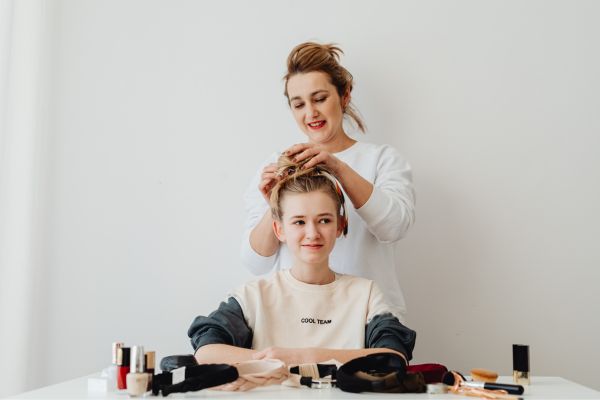
There is a quiet kind of magic in getting makeup and hair to work together. Sometimes the outfit is simple, the accessories are minimal, and yet the whole look feels complete because the face and hair are speaking the same language. That is really what makeup and hairstyle coordination is about. It is not about following strict beauty rules or copying a perfect image. It is about creating balance, mood, and harmony so that nothing feels accidental.
A hairstyle can soften a bold makeup look. Makeup can bring polish to a relaxed hairstyle. A sleek bun can make a red lip feel sharper, while loose waves can make glowing skin and soft eyes look effortless. When the two are planned together, even in a very casual way, the final result feels more intentional.
The best part is that coordinating makeup and hairstyles does not require professional skills. It simply means paying attention to shape, texture, color, occasion, and personal comfort. Once those details start working together, getting ready becomes less confusing and more enjoyable.
Understanding the Mood of the Look
Before choosing lipstick or deciding whether to curl the hair, it helps to think about the overall mood. Every look has a feeling. It may be romantic, polished, relaxed, dramatic, fresh, vintage-inspired, or modern. When makeup and hair follow the same mood, the result naturally feels more put together.
For example, soft waves usually pair beautifully with gentle makeup, such as glowing skin, blended blush, and neutral lips. The look feels easy and feminine without trying too hard. On the other hand, a slick ponytail or sharp middle-part bun can handle stronger makeup choices, like winged eyeliner, defined brows, or a deeper lipstick shade.
This does not mean everything has to match perfectly. In fact, a little contrast can make a look more interesting. A messy bun with a polished red lip can feel stylish and relaxed at the same time. The key is making sure the contrast feels deliberate rather than disconnected.
Balancing Bold Makeup with Simple Hair
One of the easiest ways to approach makeup and hairstyle coordination is to decide where the main focus should be. If the makeup is bold, the hairstyle can often stay cleaner and simpler. This gives the face room to stand out without the whole look becoming too busy.
A smoky eye, for instance, already creates drama. Pairing it with sleek straight hair, a low bun, or soft brushed-out waves can keep the look elegant. If the hair is also very voluminous, heavily curled, or decorated with accessories, the overall effect may feel a little crowded.
The same idea applies to a strong lip color. Red, berry, plum, or deep brown lipstick can instantly become the center of attention. With these shades, hair that is pulled back, softly tucked behind the ears, or styled in loose waves usually works well. The goal is not to hide the hair, but to let the makeup breathe.
A simple hairstyle can actually make bold makeup look more expensive and refined. It gives the impression that the look was chosen carefully, not piled on all at once.
Letting the Hair Lead the Look
Sometimes the hairstyle is the star. Maybe the hair is styled in big curls, a braided updo, a glossy blowout, or a textured ponytail. In that case, the makeup can support the hair rather than compete with it.
When the hair has a lot of movement or detail, makeup often looks best when it is slightly more controlled. Fresh skin, softly defined eyes, and a balanced lip can create enough polish without pulling attention away. This is especially helpful for hairstyles with braids, waves, pins, clips, or volume around the face.
A dramatic hairstyle does not always require dramatic makeup. In many cases, understated makeup makes the hair look even more impressive. Think of a romantic updo with warm blush and softly shaded eyes, or a high-volume blowout with clean eyeliner and a natural lip. The effect feels thoughtful rather than overdone.
The main question is simple: what do you want people to notice first? Once that is clear, the rest of the look becomes easier to build.
Matching Texture with Texture
Texture plays a huge role in makeup and hairstyle coordination. Hair can be sleek, tousled, glossy, matte, curly, straight, structured, or loose. Makeup has texture too. Skin can look dewy or matte. Lips can be glossy, creamy, stained, or velvety. Eyes can be shimmered, smoky, soft, or sharply lined.
When textures complement each other, the whole appearance feels more natural. Sleek hair often pairs beautifully with polished makeup. A smooth bun and satin skin can look elegant for an evening event. Straight glossy hair with clean eyeliner can feel modern and fresh.
Messy or beachy hair usually looks better with makeup that has some softness. A heavy matte base and sharp contour may feel too formal next to undone waves. Instead, sheer foundation, cream blush, brushed brows, and a softly blended eye can match the relaxed texture of the hair.
Curly hair often carries beautiful movement and personality, so makeup can either echo that softness or add gentle definition. Warm cheeks, glowing skin, and defined lashes can highlight curls without making the look feel stiff.
Considering Face Shape and Hair Placement
Hair changes how the face appears. A high bun lifts the face. Side-parted waves soften the features. Hair tucked behind the ears exposes the cheekbones. A fringe draws attention to the eyes. Because of this, makeup should be adjusted according to how the hair is styled.
When hair is pulled away from the face, makeup becomes more visible. Brows, skin, blush, and lips may need slightly more attention because there is no hair framing the face. A little extra blush or bronzer can bring warmth, while defined brows can help balance the openness of the hairstyle.
With hair worn down, especially around the face, makeup can be softer. The hair already creates a frame, so the makeup does not always need to be as strong. A fresh base, mascara, and a natural lip may be enough for a casual look.
If bangs or face-framing layers are part of the hairstyle, eye makeup should be considered carefully. Heavy eye makeup can sometimes disappear behind a fringe, while softly defined lashes and a bright inner corner can help the eyes stand out without looking too intense.
Coordinating Colors Without Looking Too Matched
Color coordination does not mean matching lipstick to hair clips or eyeshadow to an outfit exactly. In fact, overly perfect matching can feel dated. A more modern approach is to keep the tones in the same family.
Warm-toned makeup works nicely with warm hairstyles and outfits. Think peach blush, bronze eyeshadow, caramel highlights, golden accessories, or earthy clothing colors. Cool-toned makeup, such as mauve blush, soft gray shadow, rose lips, or berry tones, pairs well with cooler clothing shades and sleek styles.
Hair color also matters. Blonde hair often looks fresh with soft pinks, peaches, and champagne tones, though deeper makeup can create beautiful contrast. Brunette hair can carry warm browns, berries, nudes, and classic reds with ease. Red hair often looks striking with copper, rose, soft brown, and muted berry shades. Black hair can beautifully support strong eyeliner, rich lips, or clean minimal makeup.
These are not fixed rules, of course. Personal style matters more than any color theory chart. Still, noticing undertones can make makeup and hairstyle coordination feel more effortless.
Styling for the Occasion
The occasion should guide both makeup and hair. A daytime lunch, office meeting, wedding, dinner, or casual outing all call for different levels of polish. A look that feels perfect for an evening event may feel too heavy in daylight, while a relaxed everyday style may feel unfinished for a formal occasion.
For daytime, soft coordination usually works best. Natural skin, light blush, mascara, and easy hair such as waves, a ponytail, or a half-up style can feel fresh and practical. The look should move with the day rather than demand constant checking.
For evening, there is more room for drama. A defined eye, luminous base, deeper lip, or sculpted cheek can pair well with sleeker hairstyles or more styled waves. Formal events often benefit from a clearer structure, whether that means an updo, a smooth blowout, or a polished side part.
The more formal the occasion, the more important balance becomes. If the dress, accessories, hair, and makeup are all dramatic at the same time, the final result can feel heavy. Choosing one or two main features keeps the look elegant.
Keeping Everyday Coordination Simple
For everyday beauty, makeup and hairstyle coordination should feel easy. Most people do not have time to create a fully planned look every morning. The trick is to have a few reliable pairings.
A low ponytail with clean skin and tinted lip balm can look neat without effort. Loose waves with cream blush and mascara feel soft and casual. A claw clip updo with brushed brows and a little concealer can look relaxed but still presentable. Straight hair with a natural lip and light eyeliner can feel simple and polished.
Everyday coordination is really about avoiding clashes. If the hair is very casual, the makeup does not need to be overly heavy. If the makeup is more done, the hair may need a little smoothing or shaping so the look feels balanced.
Small touches matter. Brushing the brows, adding a little color to the cheeks, smoothing flyaways, or choosing a lip shade that suits the mood can change everything.
Avoiding the Overdone Feeling
One common mistake is trying to make every part of the look stand out. Big hair, bold eyes, strong lips, intense contour, and statement accessories can all be beautiful separately, but together they may compete.
A more balanced approach feels more stylish. If the hair has volume, keep the makeup blended. If the eyes are bold, soften the lip. If the lip is strong, make the hairstyle cleaner. If the hairstyle is very detailed, let the skin look fresh and natural.
The goal is not to look plain. It is to create space. Beauty looks often become more memorable when there is a clear focal point. That little bit of restraint can make everything feel more confident.
Conclusion
Makeup and hairstyle coordination is less about strict rules and more about thoughtful balance. When hair and makeup share a mood, texture, and level of polish, the entire look feels more natural and complete. A bold lip looks stronger with simple hair. Loose waves feel prettier with soft, glowing makeup. A sleek bun becomes more striking when the face is gently defined.
The beauty of coordination is that it helps personal style come through more clearly. It allows every choice to feel intentional, whether the look is casual, romantic, polished, or dramatic. With a little attention to balance, color, texture, and occasion, makeup and hair can work together in a way that feels effortless, expressive, and completely your own.