
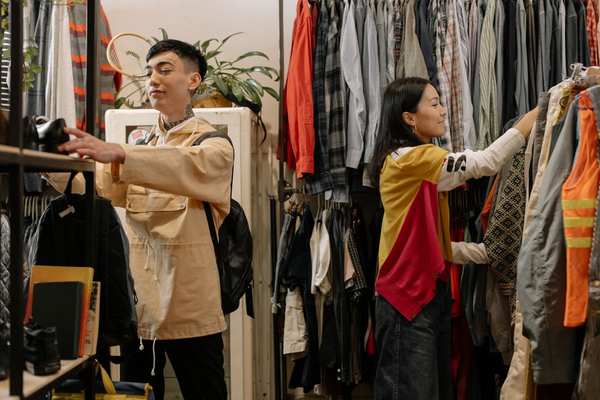
The best thrift store fashion finds for women rarely announce themselves from the front of a rack. A well-cut blazer might hang beside an outdated office uniform, while the perfect cotton shirt could be hidden among oversized pieces. Successful thrifting is less about luck than knowing what to look for, how to inspect it, and when to walk away.
Secondhand shopping can stretch a clothing budget and keep usable garments in circulation. But a bargain is only worthwhile if you actually wear it. These practical secondhand fashion tips will help you build a wardrobe you enjoy without turning every visit into a pile of impulse purchases.
Start With the Clothes You Already Own
Before heading out, open your closet and identify two or three gaps. Perhaps you need straight-leg jeans, a lightweight cardigan, or a blazer that works with your usual trousers. Photograph the pieces you want to coordinate with and save the images on your phone.
Set a spending ceiling and a short wish list, but leave room for one unexpected find. This approach keeps thrift shopping enjoyable while preventing the familiar problem of buying five inexpensive items that work with nothing at home. If your closet feels scattered, think through your everyday outfit formulas or revisit the basics of a capsule wardrobe before you shop.
Look Beyond the Most Obvious Racks
Many shoppers begin with dresses or trend-driven displays. Those sections are worth checking, but the quieter racks often hold more versatile pieces. Try the men’s shirts for relaxed button-downs, the knitwear area for substantial sweaters, and the outerwear section for coats with timeless shapes.
Pieces That Often Deserve a Closer Look
Tailored blazers, denim jackets, wool-blend coats, simple skirts, leather belts, and classic handbags can work across several seasons. Check fabric labels rather than assuming an older garment is automatically better made. A sturdy cotton shirt that fits your shoulders may be more useful than an expensive-looking designer piece that needs major alterations.
Use a Quick Condition Check Before Falling in Love
A flattering garment can still be a poor buy if repairs cost more than the piece is worth. Inspect it under bright light, preferably near a window or fitting-room mirror.
Check the Areas Most Likely to Show Wear
Look closely at underarms, collars, cuffs, inner thighs, waistbands, and hems. Search for stains, thinning fabric, pilling, stretched elastic, loose seams, and small holes. For knitwear, gently spread the stitches to spot damage that might be invisible on the hanger. Check for persistent odors, too; washing does not reliably solve every problem.
Test zippers, buttons, snaps, pockets, and linings. On shoes, examine soles and interior wear rather than judging only the uppers. On bags, look inside for peeling coatings, broken straps, or damaged closures. A missing button is usually manageable; a failing zipper in a lined coat may be a different story.
Fit Matters More Than the Size Tag
Secondhand sizing varies widely by brand and era, so take several sizes into the fitting room. Wear or bring the type of shoes and base layers you would pair with the garment. Raise your arms, sit down, and walk a few steps to test comfort.
Separate easy fixes from structural problems. Hemming trousers or shortening a simple sleeve may be feasible, while changing shoulder width or reshaping a fitted jacket can be costly. If you cannot try something on, compare its measurements with a similar item you own. A flexible tape measure belongs in any practical thrifting guide.
Calculate the Real Price of a Bargain
The price on the tag is only the starting point. Add expected cleaning, tailoring, replacement buttons, or repairs before deciding. A $12 jacket that needs $35 of alterations is effectively a $47 purchase, and that may no longer fit your budget.
Try the three-outfit test: can you name three outfits using pieces already in your wardrobe? If not, leave the item and reconsider later. Another useful question is whether you would still want it at twice the price. If the only attraction is how cheap it feels, it probably is not a meaningful find.
Make Each Store Visit More Productive
Stock and pricing differ between charity shops, nonprofit thrift stores, consignment boutiques, and vintage sellers. Explore a few locations rather than assuming one store represents the whole secondhand market. Ask staff whether particular categories are restocked on certain days, but remember that schedules vary by shop.
Visit when you have enough time to examine items carefully, not when you feel pressured to grab something. Scan each rack systematically from one end to the other. Carry a reusable bag and keep your phone wish list handy. If returns are limited or unavailable, check the store policy before paying.
For a practical example, suppose you want an office-ready outfit on a $45 budget. Look first for neutral trousers and a versatile blouse, then consider a belt only if money remains. Reject the stylish $20 blazer with a damaged lining if fixing it would consume the budget. Two comfortable, wearable basics beat three pieces that need work.
Choose Sustainable Shopping Over Accumulating More
Buying secondhand can extend the useful life of clothing and reduce demand for newly purchased pieces, but it is not an excuse to buy endlessly. The most sustainable item is often one already in your closet. Focus on durable purchases that serve a real purpose, and care for them according to their labels.
Wash new-to-you clothing before wearing it when appropriate, and follow special care instructions for delicate materials. Mend small problems promptly and donate or resell wearable items thoughtfully when they no longer fit your needs. For styling inspiration, explore ways to repeat outfits creatively or build a versatile wardrobe around fewer colors.
Frequently Asked Questions
What are the best thrift store fashion finds for women?
Look for well-fitting denim, quality shirts, practical outerwear, versatile skirts, and accessories in good condition. The best find depends on your lifestyle, climate, existing wardrobe, and the cost of any needed repairs.
How can I tell if thrifted clothes are good quality?
Check stitching, fabric condition, closures, and areas that receive friction. Read care labels, inspect inside seams, and look for signs of damage. Brand names alone do not guarantee quality.
When is the best time to visit a thrift store?
There is no universal best day because donation and restocking schedules differ. Ask your local store about new stock and discounts, then visit when you can inspect garments without rushing.
Is thrifting always cheaper than buying new?
Not necessarily. Compare the secondhand price plus cleaning or repairs with the price of a similar new item. A gently used garment that fits well can be excellent value, but a damaged bargain may cost more in the end.
Bring Home Clothes, Not Just Good Deals
Finding standout secondhand pieces gets easier when you shop with a purpose, inspect carefully, and stay realistic about fit and repair costs. Keep an open mind about departments and sizes, but be selective about what earns space in your closet. The reward is not simply a lower receipt; it is a collection of clothes you are genuinely excited to wear again and again.