
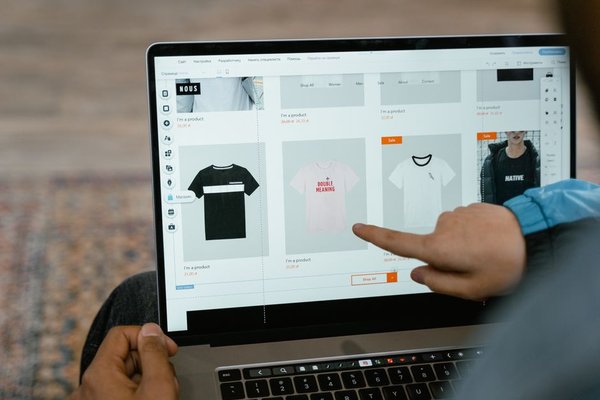
You spot a beautiful coat in a social media ad. The price is dramatically lower than elsewhere, the photographs look professional, and a timer says the sale ends soon. But a polished storefront does not prove the seller is genuine. Knowing how to spot fake clothing websites means investigating the business before trusting its discounts.
Fashion shopping scams range from stores that never deliver to sellers that ship poor-quality imitations or make refunds nearly impossible. These checks will help you assess an unfamiliar clothing retailer before entering your payment details.
Look Closely at the Website Address
Start with the full domain name in your browser. Impersonators sometimes add “outlet,” “sale,” or “official” to a recognizable label, substitute a letter, or use a misleading domain ending. A familiar brand logo does not mean a site is authorized to sell its products.
If the shop claims to be a famous brand’s outlet, open that brand’s official website independently and look for a link to the alleged outlet. Avoid relying solely on a sponsored search result or social advertisement. Both genuine and fraudulent businesses can advertise.
Domain age can be another clue, but it is not a verdict. Legitimate new boutiques exist, and established web addresses can change owners.
Identify the Business Behind the Shop
Look for a consistent company name, clear contact details, and a way to ask questions about orders. A physical retail address is not mandatory for an online-only business, but unclear ownership combined with other warning signs deserves scrutiny.
Search the business name and any published address separately. Do they connect to the same retailer? Does the contact email resemble the domain, or does the checkout suddenly name a different seller? Before buying, ask where returns go if an item does not fit. An evasive or contradictory response should make you cautious.
Question Extreme Discounts and Thin Product Pages
Real shops run clearance sales, yet unusually low prices on sought-after designer goods can be bait. Compare the garment with listings from established retailers. If every popular size remains available at an enormous discount, investigate further rather than rushing to checkout.
Examine material descriptions, size measurements, care details, and product photographs. Warning signs include mismatched specifications, repeated generic descriptions, or pictures that do not match the item advertised. Reverse-image searching a product photo can reveal where it originally appeared. Shared manufacturer images are normal, however, so copied photography alone does not establish fraud.
For a closer examination of the item itself, see our guide to recognizing counterfeit designer clothing.
Search for Reviews Outside the Website
Do not judge online store legitimacy by on-site star ratings alone. Search the retailer’s name alongside “review,” “complaint,” “refund,” and “scam.” Check several independent sources and prioritize recent, detailed accounts of delivery, clothing quality, customer service, and refunds.
Do many glowing reviews repeat nearly identical wording? Do complaints mention orders that never arrived? Are reviews about a different business entirely? Those patterns matter more than an average score. A new store may have no independent reviews without being fraudulent, but limited evidence calls for greater caution.
Read Shipping and Return Rules Before Ordering
Clothing is particularly likely to be returned because of fit, color, or fabric expectations. Find the delivery estimate, return deadline, refund conditions, shipping charges, and information about who pays return postage. Check whether sale items follow different rules.
A policy that promises “easy returns” but never identifies a return process offers little reassurance. Overseas returns are not inherently suspicious, but their postage costs may outweigh the price of a bargain. Our guide to understanding clothing return policies explains what to compare.
Use Payment Methods That Offer Protection
Credit cards generally offer stronger options for disputing undelivered or misrepresented orders than irreversible payment methods, although rules vary by country and provider. Reputable payment services can also offer buyer protection, subject to their terms.
Be especially wary if a seller insists on gift cards, cryptocurrency, a wire transfer, or payment to a personal account. Never leave a marketplace’s protected checkout simply because a seller asks. Save screenshots of the listing, advertised price, policies, and order confirmation in case a dispute becomes necessary.
Do Not Confuse HTTPS With a Trustworthy Store
The padlock and “https” mean information is encrypted in transit; they do not establish that a retailer is honest. Fake clothing websites can use encryption, attractive designs, recognizable payment logos, and fabricated security badges.
Pay attention to browser security warnings and unusual checkout redirects. Even when checkout looks secure, verify the seller’s identity and reputation first. Safe online shopping requires both technical security and an accountable merchant.
Try This Five-Minute Check Before a Fashion Purchase
Imagine an advertisement offering popular trainers at 80% off. The page claims to be an official clearance shop and demands immediate payment. Instead of following the countdown, compare its address with the brand’s real website. Search the store name plus “refund” or “complaint.” Read the return terms, identify the business, and inspect the payment choices.
If the domain is unrelated to the brand, the contact details conflict, and only irreversible payments are accepted, skip the purchase. One imperfect detail may have an innocent explanation. Several independent warning signs pointing in the same direction are far more persuasive. For more examples, see our guide to shopping safely through social media ads.
What if You Have Already Paid a Suspicious Store?
Keep the order receipt, product listing, messages, website address, and any promised delivery date. Contact the seller, then promptly ask your card issuer, bank, or payment provider about reporting the transaction and disputing the charge. Do not let an unresponsive retailer delay that conversation.
If you reused a password on the site, change it anywhere else it appears and enable multifactor authentication. Monitor account activity and report suspected fraud to your country’s consumer protection authority. In the United States, reports can be submitted to the Federal Trade Commission.
Frequently Asked Questions
Can a fake clothing store have a padlock?
Yes. HTTPS encrypts your connection, but it does not confirm that the seller is legitimate. Check the domain, business details, policies, and reputation.
Are very cheap clothing websites always scams?
No. Genuine clearance sales exist. Suspicion rises when extreme discounts appear alongside unverifiable identity details, misleading product images, or unsafe payment demands.
How do I check a new store with no reviews?
Verify its contact information, ask a specific customer-service question, scrutinize its return rules, and pay only through a method offering appropriate dispute protection.
What is the strongest checkout warning sign?
Pressure to use irreversible payment while the seller’s identity remains unclear is particularly concerning. Consider the combined evidence rather than one clue.
Make the Decision Before You Pay
Spotting fraudulent fashion stores takes a few deliberate checks, not specialist software. Confirm who owns the store, whether its offers and policies make sense, and whether your payment is protected. If the answers do not add up, a tempting outfit is not worth the risk.