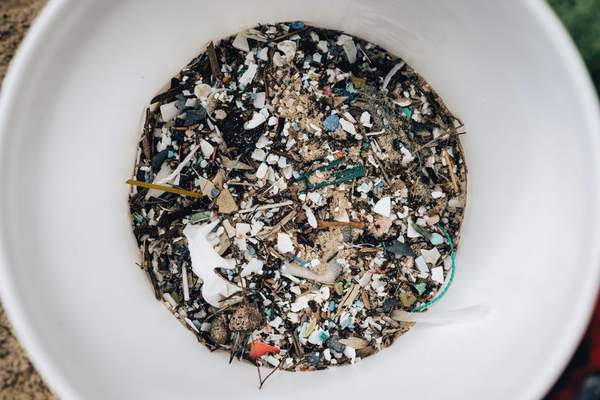
A polyester fleece can look perfectly clean and still release tiny plastic fibres in the washing machine. The same happens with nylon sportswear, acrylic knitwear and blended fabrics. You cannot stop every fibre escaping, but you can change how often clothes need washing, how much friction they experience and what happens to the fibres that come loose.
Learning how to reduce microplastics from clothes starts with the laundry routine you already have. A few adjustments are more useful than treating every synthetic garment as disposable.
Why clothes release microplastics in the wash
Polyester, nylon, acrylic and elastane are made from synthetic polymers. During washing, movement, rubbing and water can loosen fragments of their fibres. These fragments enter wastewater unless a suitable device catches them. This is one route through which microfiber pollution from clothing reaches the environment.
Not every loose fibre is plastic. Cotton and wool also shed, although their environmental behaviour differs. Fabric construction matters: brushed polyester fleece may shed differently from tightly woven nylon. There is no single, reliable number of microplastics released by every wash.
Wash less often, without compromising hygiene
The simplest way to reduce microplastics in laundry is to avoid unnecessary washes. A lightly worn jumper may only need airing, while a sweaty gym top should be cleaned promptly. Judge each item by odour, visible dirt, skin contact and its care instructions rather than a rigid wear-count rule.
Deal with small marks locally where appropriate. Blot a spot with water and suitable detergent instead of washing the whole garment. Avoid hard scrubbing, which damages fabric. Clothes used during illness or heavy perspiration still need proper cleaning.
Choose a colder, shorter cycle when practical
For lightly soiled synthetics, select a lower-temperature, shorter programme that cleans effectively. In a 2020 PLOS ONE study, a colder, quicker cycle released about 30% less microfiber mass than the warmer, longer cycle tested. That is not a guaranteed saving for every washer or textile.
Keep the temperature and duration suited to the laundry. Follow garment labels and use appropriate hygiene programmes for heavily soiled items when necessary. Avoid intensive, extended washing by habit when a standard programme will do.
Reduce rubbing rather than chasing the lowest setting
Gentler mechanical action can help limit abrasion, but the programme name alone does not guarantee less shedding. Delicate cycles sometimes use more water or recommend smaller loads. Choose a cycle using the machine manual, garment label and actual soil level.
Fill the drum sensibly
Washing one or two synthetic items in a large machine is not necessarily kinder to fabric. Research on household laundry found less fibre release per kilogram of clothing from fuller loads, partly associated with a lower water-to-fabric ratio. Aim for a complete load with room to move and rinse.
Never stuff the drum tightly. Overloading can reduce cleaning performance, leave detergent behind and create excess rubbing. Respect the machine’s stated capacity for the programme, which may be lower for synthetics than for cotton.
A practical example: a week’s sportswear
Imagine three polyester training shirts, two pairs of leggings and a fleece. Instead of running separate half-empty washes, collect enough items for a suitable load. Dry damp workout clothes before storing them to prevent odours and mildew. Close zips, check labels and choose an appropriately cool, short cycle. If the fleece is heavily soiled while everything else is lightly worn, clean it separately rather than compromising hygiene.
Consider a microfiber-catching device
Reducing synthetic fabric shedding and capturing shed fibres are different approaches. A wash bag designed for microfibres surrounds garments and may reduce abrasion or retain loose fibres. A filter attached to the washing machine’s discharge line aims to catch fibres after they enter the water. Neither is perfect.
Independent tests have found reductions in fibres reaching wastewater with some bags and external filters, but results vary by product, fibre size, maintenance and test method. A regular mesh delicates bag is not necessarily a specialist microplastic filter.
Before buying, check whether a filter is compatible with your machine, how installation affects drainage and warranties, and how often it needs maintenance. With a bag, follow loading and cleaning instructions. Clogged or incorrectly fitted devices may work poorly.
Dispose of captured fibres carefully
When cleaning a filter or collection bag, remove the trapped lint according to the manufacturer’s instructions and put it in household rubbish where local rules permit. Do not rinse captured fibres down the sink or toilet: that returns them to wastewater. Keep the lint contained during cleaning.
Be realistic about detergent, drying and garment care
Use the amount of detergent recommended for your water hardness, load size and product. More is not automatically cleaner, and research about how detergent type affects shedding is mixed. Fabric softener is not a proven universal solution either. Choose products for effective cleaning and compatibility rather than unsupported environmental promises.
Where suitable, air-dry clothes to avoid tumble-dryer heat and tumbling. Dryers also generate lint, and their screens do not capture every particle. If you use a dryer, follow the label, clean the lint trap and bin the lint rather than washing it away.
Protect clothes between washes: mend rough seams, avoid unnecessary brushing and keep zips from snagging knitwear. Extending garment life avoids premature replacement. For related guidance, explore caring for synthetic activewear, understanding fabric care labels and repairing clothes to make them last longer.
Frequently asked questions
Does washing synthetic clothes in cold water stop microplastics?
No. Colder, shorter cycles have reduced shedding in some studies, but fibres can still escape. Cycle length, construction and machine design also matter.
Do microfiber laundry bags actually work?
Some purpose-designed bags have reduced fibre release to wastewater in independent tests. Effectiveness depends on the bag and how it is used. Follow instructions and dispose of collected lint responsibly.
Is a washing machine filter better than a laundry bag?
An external filter can capture fibres from the whole wash; a bag generally protects garments inside it. Some filters perform well in tests, but upkeep and effectiveness vary. Choose based on your machine and circumstances.
Should I throw away my polyester clothes?
No. Discarding usable garments does not undo their production impacts. Wear them longer, wash thoughtfully and repair when possible. When replacement is necessary, consider durability, fabric construction and care needs.
Small changes add up across a garment’s life
Wash only when needed, use a suitably cool and short cycle, fill the drum without overloading it and consider fibre capture if practical. These steps address washing habits you can control. Better textile design, washing machines and wastewater treatment are also needed to reduce pollution at scale.