
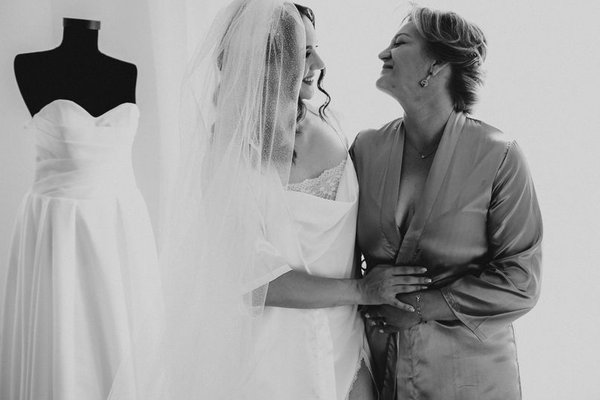
Shopping for mother of the bride dresses should feel celebratory, not like a test of wedding etiquette. You want an outfit that looks special in family photographs, respects the couple’s plans and still feels unmistakably yours. The easiest way to find it is to decide how formal the wedding is, which colors suit its setting and what you can comfortably wear all day.
An elegant gown, polished midi dress or tailored ensemble can all work. The goal is thoughtful coordination, not dressing exactly like the bridesmaids.
Let the Wedding Set the Level of Formality
Start with the invitation, venue and time of the celebration. A ballroom ceremony followed by a black-tie reception calls for different mother of bride attire than an afternoon garden wedding. If the invitation is vague, ask the couple how dressed-up they picture their immediate family.
Match the Dress Code, Not Just the Venue
For black-tie events, a floor-length mother of bride gown in a refined fabric is often the most reliable choice. Formal weddings may also suit sophisticated longer dresses or particularly dressy midis, depending on the couple’s expectations. At cocktail or semi-formal celebrations, a knee-length, midi or tea-length design can look appropriately polished. For relaxed daytime weddings, consider a softly structured dress or elegant separates rather than something overly embellished.
Choose a Color That Belongs in the Picture
Navy, plum, sage, dusty blue, rose and deep green are popular starting points because they can work across seasons and styles. They are options, not rules. Look at the wedding palette, the lighting and the shades you genuinely enjoy wearing.
Usually, white, ivory and colors that photograph almost white are best avoided unless the couple specifically welcomes them. Black is no longer automatically inappropriate; it can be elegant for an evening wedding, although family or cultural preferences may differ. Ask before choosing an unusually bridal-looking metallic or pale champagne dress.
Coordinate Without Copying the Bridesmaids
If the bridesmaids wear dusty blue, you could choose navy, slate or a muted floral incorporating blue. That creates a connection in photographs without making you look like another bridesmaid. You also do not need to match the table decorations. The wedding colors are a useful reference, not a uniform.
Try holding a photo of your shortlisted dress beside a photo of the bridesmaid fabric in natural light. You may spot clashing undertones or unexpectedly similar colors before ordering.
Find a Silhouette That Feels Like You
The most flattering mother of the bride dresses are the ones you can move in confidently. A-line styles skim the hips and offer room for sitting. Column or sheath dresses create a clean line but need enough ease for walking and dancing. Wrap-inspired shapes allow adjustable definition at the waist, while fit-and-flare cuts bring movement to the skirt.
Do not choose a neckline, sleeve or waist detail simply because it is labelled age-appropriate. Try the dress with your planned undergarments, then sit down, raise your arms and walk normally. An outfit that looks wonderful while standing still can become frustrating during photographs, dinner and the reception.
Get the Length Right
Floor-length does not have to mean dragging fabric across the ground. Have the hem adjusted while wearing your actual shoes. Midi lengths are versatile, but check where the hem falls on your leg rather than judging the model photograph. A tea-length dress can feel particularly graceful at daytime and semi-formal weddings. If you will walk down an aisle or use steps, make sure your skirt and shoes allow it.
Consider Fabric, Weather and the Schedule
Chiffon and lightweight crepe often feel comfortable at warm-weather celebrations, while velvet and heavier structured fabrics can suit cooler evenings. Satin can look luxurious but may show creasing or moisture more easily than expected. Lace, pleats and modest embellishment add interest without requiring a dramatic silhouette.
Think beyond the ceremony. Outdoor portraits in summer sun, an air-conditioned reception room and a late-night dance floor may all happen on the same day. A coordinated jacket, wrap or dressy layer is often more useful than buying a dress based only on its fitting-room appearance.
Talk to the Couple and the Other Parent
Traditional etiquette suggested that the bride’s mother shop first and tell the groom’s mother what she had chosen. Today, a brief, friendly conversation is generally more helpful than treating shopping order as a strict rule. Ask about formality, any colors the couple would like reserved, and whether they envision the parents coordinating.
The mothers do not need identical dresses or colors. They can choose outfits with a similar level of formality. For example, one might wear a navy crepe gown and the other a burgundy embellished dress. Both would look considered in group portraits while reflecting different personal styles.
Respect the couple’s cultural or religious traditions, especially if the ceremony has expectations for shoulders, hemlines or head coverings.
Shop Early, but Budget for Alterations
Begin looking several months before the wedding, particularly if you need a specialty size, made-to-order dress or substantial tailoring. Allow room in the budget for hemming, fitting adjustments, shoes and accessories. Ordering a smaller size in the hope that it will eventually fit is rarely a sensible substitute for tailoring.
When comparing wedding outfits for mother of bride occasions, photograph each contender standing, sitting and from the back. Ask yourself which outfit you would happily wear for eight hours. If two dresses seem equally attractive, choose the one with better movement and fewer alterations.
Finish the Outfit Without Overcomplicating It
Comfortable dress shoes are essential, particularly if the ceremony involves standing or walking on grass, stone or uneven paving. A small structured bag keeps tissues, lipstick and a phone close. Choose jewelry that complements the neckline rather than competing with embroidery or beading.
The same principles behind wedding guest dress codes, coordinating wedding colors and comfortable wedding shoes apply here: elegant details should support the day, not distract you from enjoying it.
Frequently Asked Questions
Does the mother of the bride have to wear a long dress?
No. Floor-length gowns are common for black-tie weddings, but midi, tea-length and other sophisticated outfits can be appropriate for less formal celebrations. Follow the couple’s dress code first.
Can the mother of the bride wear the same color as the bridesmaids?
Yes, if the couple likes a coordinated look. A complementary shade is often easier to distinguish in photographs, but there is no universal rule requiring different colors.
Is a pantsuit acceptable instead of a dress?
Absolutely. A well-tailored pantsuit or dressy jumpsuit can be an elegant choice, provided the fabric, styling and fit suit the wedding’s level of formality.
Who chooses and pays for the outfit?
Typically, the mother selects and pays for her own attire, while discussing preferences with the couple. Families may make different arrangements, so clear communication is better than assumptions.
Choose an Outfit You Can Celebrate In
The best mother of the bride dress suits the wedding, feels comfortable on your body and lets your personality show. Confirm the dress code and color expectations, then give fit, movement and tailoring the attention they deserve. When those pieces come together, you can stop thinking about your outfit and focus on the reason everyone is there.