
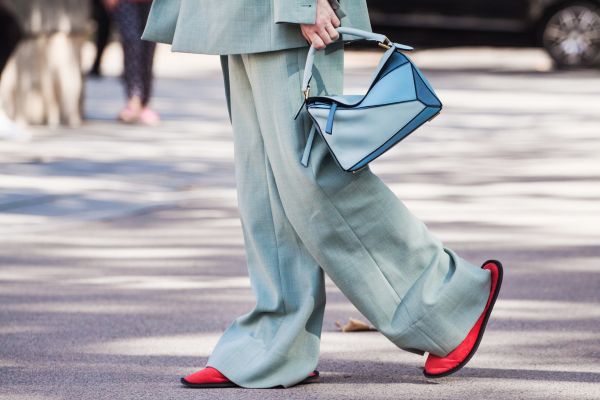
The world of fashion design is often seen through the glamorous lens of runway shows, luxury brands, and celebrity endorsements. But behind the spotlight lies a vast, creative industry filled with diverse opportunities. Careers in fashion design extend far beyond sketching dresses or working for high-end labels. They involve creativity, technical skill, business awareness, and a deep understanding of culture and trends.
For anyone drawn to style, storytelling, and innovation, this field offers multiple pathways—each with its own rhythm and rewards.
The Expanding Landscape of Fashion Design Careers
Fashion is no longer confined to traditional ateliers or seasonal collections. It has grown into a dynamic global industry influenced by technology, sustainability, and digital media. As a result, careers in fashion design have evolved, branching into specialized roles that didn’t even exist a decade ago.
From conceptual designers to digital stylists, the field now welcomes individuals with varied talents. Whether someone enjoys hands-on creation or strategic planning, there’s likely a place for them in fashion.
Fashion Designer: The Core Creative Role
At the heart of the industry is the fashion designer. This is often the first role people imagine—and for good reason. Designers conceptualize clothing and accessories, turning ideas into tangible pieces that reflect trends, moods, and cultural influences.
But the job isn’t just about creativity. Designers also need to understand fabrics, production processes, and consumer preferences. They often collaborate with pattern makers, manufacturers, and marketing teams to bring their vision to life.
While some designers work for established brands, others choose to launch their own labels, navigating both creative and business challenges along the way.
Textile Designer: Crafting the Fabric Story
Before a garment takes shape, the fabric itself tells a story. Textile designers focus on creating patterns, textures, and prints that define the look and feel of clothing.
This role requires a strong sense of color, detail, and repetition. It also involves experimenting with materials and techniques, from traditional weaving to digital printing. Textile designers often work closely with fashion designers, ensuring that the fabric complements the overall design concept.
In many ways, they are the unsung artists of fashion—shaping the foundation upon which everything else is built.
Fashion Illustrator: Visualizing Ideas
Fashion illustration remains a powerful tool for communicating design ideas. Even in a digital age, the ability to sketch concepts quickly and expressively is highly valued.
Fashion illustrators translate ideas into visuals that capture movement, texture, and personality. Some work alongside designers, while others build independent careers, collaborating with magazines, brands, or even publishing their own artwork.
This role sits at the intersection of art and fashion, offering a creative outlet that’s both expressive and commercially relevant.
Fashion Stylist: Shaping the Final Look
While designers create garments, stylists bring them to life. A fashion stylist curates outfits for photoshoots, runway shows, editorial features, and public appearances.
Stylists need a keen eye for detail and a strong understanding of how different pieces work together. They also stay updated on trends and cultural shifts, ensuring that their work feels fresh and relevant.
It’s a role that blends creativity with intuition—often requiring quick decisions and a strong personal aesthetic.
Fashion Merchandiser: Bridging Creativity and Business
Not all careers in fashion design are purely creative. Fashion merchandising focuses on the business side of the industry, ensuring that products reach the right audience at the right time.
Merchandisers analyze market trends, consumer behavior, and sales data to make informed decisions about what to produce and how to present it. They work closely with designers and retailers, balancing artistic vision with commercial viability.
This role is ideal for those who enjoy both fashion and strategy, offering a different but equally important perspective on the industry.
Pattern Maker: Turning Ideas into Reality
A design remains just an idea until it can be constructed. Pattern makers play a crucial role in transforming sketches into wearable garments.
They create templates that guide the cutting and assembly of fabric, ensuring accuracy and consistency. This requires technical precision, attention to detail, and a strong understanding of garment construction.
Pattern making is often overlooked, but it’s one of the most essential careers in fashion design—bridging the gap between concept and creation.
Sustainable Fashion Specialist: Designing with Purpose
As awareness around environmental issues grows, sustainability has become a central theme in fashion. Sustainable fashion specialists focus on creating eco-friendly designs, reducing waste, and promoting ethical practices.
This role involves researching materials, improving production methods, and rethinking the lifecycle of garments. It’s not just about aesthetics—it’s about responsibility.
For those passionate about both fashion and the planet, this career offers a meaningful way to make an impact.
Digital Fashion Designer: The Future of Style
Technology is reshaping fashion in unexpected ways. Digital fashion designers create virtual clothing for online platforms, video games, and augmented reality experiences.
This emerging field blends fashion with technology, requiring skills in 3D modeling, animation, and digital rendering. While it may sound futuristic, it’s quickly becoming a legitimate career path.
As more of our lives move online, digital fashion is carving out its own space—offering new ways to express style without physical limitations.
Costume Designer: Fashion Meets Storytelling
Costume design brings fashion into the world of film, theater, and television. Costume designers create outfits that reflect characters, time periods, and narratives.
This role requires research, creativity, and collaboration with directors and production teams. It’s about more than just clothing—it’s about storytelling through design.
For those who love both fashion and the performing arts, costume design offers a unique and immersive career path.
Fashion Journalist or Content Creator: Telling the Industry’s Stories
Not everyone in fashion design works behind a sewing machine. Some tell the stories that shape the industry. Fashion journalists and content creators explore trends, review collections, and provide insights into the world of style.
This role has expanded significantly with the rise of digital media. Blogs, social platforms, and online magazines have opened new doors for writers and creators who can engage audiences with fresh perspectives.
It’s a career that combines observation, storytelling, and a deep appreciation for fashion’s cultural impact.
Building a Career in Fashion Design
Entering the fashion industry often requires a mix of education, experience, and persistence. Many professionals start with formal training in fashion design or related fields, while others learn through hands-on experience.
Internships, networking, and building a strong portfolio are key steps. The industry can be competitive, but it also rewards originality and dedication.
It’s worth noting that there’s no single path to success. Some people find their niche early, while others explore different roles before settling into a career that suits them.
The Reality Behind the Glamour
Fashion is often associated with glamour, but the reality can be demanding. Deadlines, long hours, and constant pressure to innovate are part of the job.
At the same time, it’s an industry driven by passion. For many, the chance to create, influence, and express ideas makes the challenges worthwhile.
Understanding both sides of the industry is essential for anyone considering careers in fashion design. It’s not just about style—it’s about resilience, adaptability, and a willingness to keep learning.
Conclusion: Finding Your Place in Fashion
Careers in fashion design offer a rich tapestry of opportunities, each with its own creative and professional rewards. Whether you’re drawn to designing garments, analyzing trends, or exploring new technologies, there’s space to carve out a path that feels uniquely yours.
The industry continues to evolve, shaped by cultural shifts and technological advances. And with that evolution comes new possibilities—some still waiting to be defined.
In the end, a career in fashion isn’t just about following trends. It’s about understanding them, challenging them, and sometimes even creating something entirely new.