
A useful wardrobe is not built by buying every new trend. It starts with a reliable collection of clothes that fit your lifestyle, work well together, and make getting dressed feel easier. The right basics give you options without forcing you to own an overflowing closet.
The wardrobe basics every woman needs will look slightly different depending on her job, climate, personal style, and daily routine. However, certain pieces consistently earn their place because they can be dressed up, dressed down, layered, and worn across multiple seasons. Think of them as the foundation of your wardrobe rather than a strict shopping checklist.
Before buying anything new, look at what you already own. You may have several of these essentials but need to replace one that no longer fits or add a more versatile version. The goal is not to create a perfectly minimal wardrobe. It is to build a practical one that supports the way you actually live.
What Makes a Good Wardrobe Basic?
A basic does not have to be plain, colourless, or boring. It simply needs to be versatile enough to work with several outfits. Good women’s clothing basics are comfortable, easy to coordinate, and suitable for more than one occasion.
Fit matters more than brand name or price. A simple shirt that sits beautifully on your shoulders will probably be worn more often than an expensive statement piece that feels awkward. Fabric also makes a difference. Look for materials that feel pleasant against your skin, hold their shape, and suit your local weather.
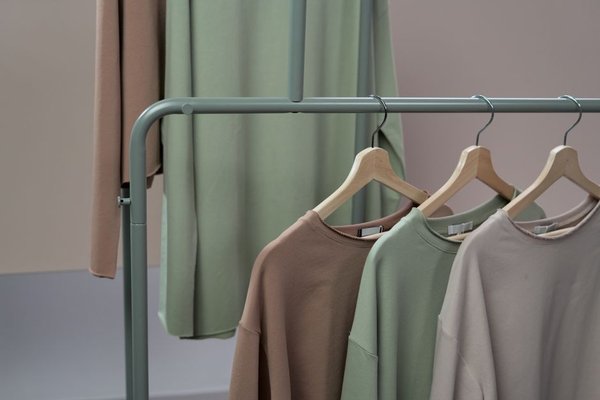
Colour should be considered too. Black, white, navy, grey, beige, and brown are popular because they combine easily, but your personal neutrals may be different. Olive, burgundy, soft blue, cream, or even muted pink can function as everyday basics when they complement the rest of your wardrobe.
A Reliable Everyday T-Shirt
A well-fitting T-shirt is one of the most useful closet essentials women can own. It works with jeans, tailored trousers, skirts, shorts, and layered outfits. You can wear it casually with trainers or tuck it into smarter pieces and add jewellery for a more polished look.
Choose a neckline that feels flattering and comfortable. Crew necks are classic, V-necks can create a more open shape, and scoop necks offer a softer appearance. The fabric should be substantial enough not to become transparent or lose its structure after a few washes.
You do not need every possible colour. Start with one or two shades that coordinate with most of your bottoms and jackets. A good-quality white, black, navy, or cream T-shirt can become one of the hardest-working items in your closet.
A Crisp Shirt or Relaxed Button-Down
A button-down shirt brings instant structure to an outfit, but it does not have to look overly corporate. A crisp cotton version is ideal for work and smarter occasions, while a slightly oversized linen or soft poplin shirt feels relaxed and modern.
Wear it tucked into trousers, open over a vest top, layered beneath knitwear, or tied loosely at the waist. Sleeves can be rolled up for a casual look or left neat for a more formal finish. White is the traditional choice, though pale blue, cream, or a subtle stripe may suit your wardrobe better.
Jeans That Fit Your Current Body
Jeans are only a wardrobe essential when they fit comfortably and make you feel confident. Avoid choosing a cut simply because it is trending. Straight-leg, slim, wide-leg, bootcut, and relaxed jeans can all be timeless wardrobe pieces when they suit your proportions and lifestyle.
A medium or dark wash is often the easiest to dress up, while a lighter wash creates a more casual feel. Check the fit while sitting, walking, and bending, not just while standing in front of a mirror. Jeans that pinch, gap, or require constant adjustment will rarely become true everyday favourites.
Versatile Tailored Trousers
Tailored trousers are no longer limited to formal offices. They can be styled with a blouse and loafers for work, a T-shirt and trainers for weekends, or a fitted top and heels for dinner.
Look for a comfortable waistband, a flattering rise, and a fabric that hangs smoothly. Black trousers are highly practical, but navy, charcoal, chocolate brown, or beige may blend more naturally with your existing clothes. A straight or gently wide-leg silhouette tends to remain wearable even as trends change.
A Simple Skirt or Everyday Dress
Not every woman needs both, especially if dresses and skirts do not suit her routine. Choose the option you are genuinely likely to wear.
A midi skirt in a simple shape can work with T-shirts, shirts, knitwear, boots, sandals, and trainers. An uncomplicated dress can be even easier because it creates a complete outfit in one step. Look for a design that can shift between casual and smart settings depending on your shoes, outerwear, and accessories.
The most useful choice will not necessarily be black. A solid colour, subtle print, or neutral pattern can be equally versatile when it coordinates with your existing layers.
Comfortable Knitwear for Layering
A lightweight jumper or cardigan adds warmth without making an outfit feel bulky. It can be worn over dresses, paired with jeans, layered over shirts, or carried for cool evenings.
Fine knits are especially versatile because they can be tucked into trousers or worn beneath jackets. Choose a fabric that feels comfortable and is practical to care for. Wool and cashmere offer warmth, while cotton and blended fibres may be easier for sensitive skin or milder climates.
A neutral cardigan is particularly useful because it can function as a top, a layer, or a light alternative to a jacket.
A Blazer That Does Not Feel Like a Uniform
A well-cut blazer can make a basic outfit look intentional in seconds. It works over a T-shirt and jeans, with tailored trousers, or on top of a dress. The key is finding one that suits your everyday style rather than buying a stiff corporate design you will rarely wear.
Pay attention to shoulder fit, sleeve length, and overall proportion. A slightly relaxed blazer feels modern and easy, while a fitted version creates a sharper silhouette. Black is dependable, but navy, grey, camel, or a subtle check may offer more flexibility.
Practical Outerwear for Your Climate
Outerwear is one of the most visible parts of an outfit, so it should be both functional and easy to combine. Depending on where you live, this might mean a trench coat, wool coat, lightweight jacket, raincoat, or insulated winter coat.
Choose the piece based on the weather you regularly experience. A classic trench may look stylish, but it is not useful if your winters demand heavy insulation. Likewise, a bulky coat may be unnecessary in a warm climate. The best wardrobe basics every woman needs are always connected to real life.
Shoes That Cover Everyday Situations
A practical shoe collection does not need to be large. Most women can cover their regular needs with a comfortable casual shoe, a polished flat or loafer, and one smarter option.
Trainers are ideal for errands, travel, and relaxed outfits. Loafers, ballet flats, or ankle boots can make an outfit look more refined without sacrificing comfort. For dressier events, choose a heel height or elegant flat that you can genuinely walk in.
Comfort should never be treated as an optional feature. Shoes that cause pain will remain unworn, no matter how versatile they appear.
An Everyday Bag That Matches Your Routine
A useful everyday bag should hold what you regularly carry without becoming unnecessarily heavy. A structured tote may suit office life, while a crossbody bag can be better for commuting, shopping, or travelling.
Consider the strap length, closures, internal compartments, and durability of the material. A neutral colour will usually coordinate with more outfits, but that does not mean it must be black. Tan, taupe, burgundy, navy, or deep green can work as adaptable alternatives.
How to Build Your Basics Without Overspending
Do not try to purchase every essential at once. Start by identifying the gaps that cause the most frustration. Perhaps you have plenty of tops but no comfortable trousers, or several jackets but no dependable everyday shoes.
Prioritise fit, fabric, and frequency of wear. Spending more can make sense for coats, shoes, and bags that face regular use, while simple tops may not require the same investment. Second-hand shops and resale platforms can also be excellent places to find quality timeless wardrobe pieces at lower prices.
Whenever possible, try an item with clothes you already own. Before buying, imagine at least three realistic outfits you could create with it. This simple habit helps prevent impulse purchases and keeps your wardrobe connected.
Frequently Asked Questions
How many wardrobe basics does a woman need?
There is no ideal number. A smaller wardrobe may work for someone with a consistent routine, while another person may need more variety for work, social events, exercise, and changing seasons. Focus on usefulness rather than reaching a specific total.
Should all wardrobe basics be neutral colours?
No. Neutral colours are easy to coordinate, but your basics can include any shades you wear frequently. The important thing is that the colours work together and can be used in several outfits.
How often should wardrobe basics be replaced?
Replace them when they no longer fit, feel comfortable, or remain in good condition. Quality basics can last for years with proper care, so there is no need to update them simply because new trends appear.
What should I buy first when building a wardrobe?
Begin with the item that would make the biggest difference to your daily outfits. For many women, that may be comfortable jeans, an everyday T-shirt, practical shoes, or a versatile outer layer.
Build a Wardrobe Around Your Real Life
The best wardrobe is not the one with the most clothes. It is the one that makes getting dressed simpler. By choosing versatile pieces that fit well, coordinate easily, and support your routine, you can create more outfits while buying less.
Use these suggestions as a flexible framework rather than a set of strict rules. Your most valuable basics are the clothes you reach for repeatedly and feel good wearing. Build around those pieces, make thoughtful additions, and let your wardrobe evolve with your life instead of every passing trend.