
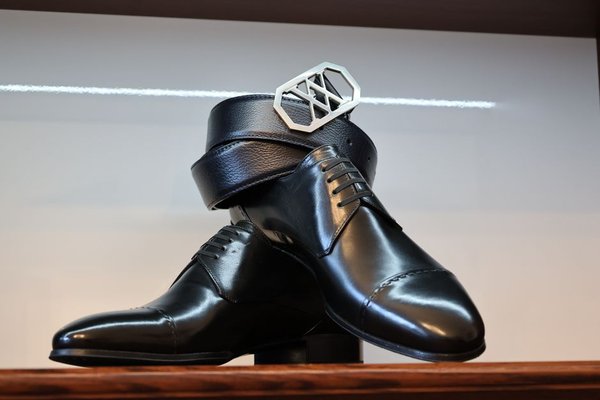
Matching your belt to your shoes used to sound simple: black with black, brown with brown, no exceptions. That advice still works for a tailored suit, but it can make jeans, chinos and relaxed outfits feel unnecessarily rigid. The better question is not whether two accessories are identical. It is whether they look like they belong in the same outfit.
Learning how to match a belt with shoes starts with three clues: how formal your clothes are, how similar the colors feel and whether the materials share a mood. Once you notice those details, getting dressed becomes easier without turning every outfit into a matching exercise.
Start With the Formality of the Outfit
The dressier the outfit, the closer your belt and shoes should coordinate. With a business suit, leather dress shoes and a visible belt, matching leather color and finish creates a polished line. Black oxfords generally call for a black leather belt; dark brown derbies look best with a dark brown one.
Casual clothing leaves more freedom. A woven belt, suede loafers or clean sneakers can work together without sharing an exact shade. The goal shifts from uniformity to balance. Think of traditional belt shoe rules as a sliding scale, not a dress code for every occasion.
Coordinate Leather Tones, Not Just Color Names
Brown is where most people get stuck. A belt labeled “brown” might be reddish cognac, cool taupe, golden tan or near-black espresso. Compare the undertones in daylight rather than relying on product names. Warm reddish shoes usually sit more comfortably with warm brown leather; cooler, muted browns tend to pair with similarly subdued accessories.
Exact leather color matching is rarely necessary in relaxed outfits. Aim for a recognizable relationship between the two items. If the belt and shoes are noticeably different shades, repeat one of those tones elsewhere, perhaps through a watch strap, bag or jacket. That small echo makes contrast appear intentional.
What About Black Shoes?
Black leather dress shoes are the simplest case: wear a black belt when your trousers have belt loops and the belt will show. With black boots worn casually, there is more room to experiment. A dark brown belt may work with faded denim and an earthy jacket, but black remains the safer choice for a sleek look.
White Sneakers Change the Equation
You do not need a white belt to wear white sneakers. In fact, a white leather belt can attract more attention than you intended. With blue jeans and white sneakers, choose a brown, black or woven belt according to the trousers and top. Treat the sneakers as a neutral foundation rather than something you must copy at the waist.
Pay Attention to Finish and Texture
Color is only half the story. Shiny polished shoes look more formal than brushed suede, distressed leather or canvas. A glossy black dress belt paired with rugged tan suede boots can feel mismatched even if similar colors appear elsewhere. A matte leather belt, on the other hand, often sits naturally beside textured footwear.
Width and buckle shape matter too. Slim, smooth belts feel at home with tailoring; wider, softer belts look relaxed with denim. For an everyday wardrobe, a medium-width leather belt with a simple buckle is versatile. A guide to choosing the right belt width can help you narrow the options.
Three Everyday Outfits That Get the Balance Right
Dark Jeans, Brown Boots and a Casual Jacket
Picture indigo jeans, chocolate leather boots and an olive overshirt. A medium-to-dark brown belt will connect naturally with the boots even if the leather finishes differ. A pale tan belt may become the brightest detail at your waist. That can work, but it looks more deliberate if another light tan accent appears elsewhere.
Beige Chinos, Navy Knitwear and Suede Loafers
Soft tan loafers and a tobacco-brown belt create a relaxed relationship without being identical. Suede absorbs light differently from smooth leather, so chasing an exact match is usually pointless. Keep both accessories in a warm, understated family, and let the navy knitwear provide contrast.
Black Jeans, White Sneakers and a T-Shirt
Choose a simple black belt for a clean, minimal look. A dark woven belt also works when the outfit leans casual. Avoid treating matching belt and shoes as a requirement here: the sneakers and belt perform different visual jobs, and forcing them to match can make the outfit less natural.
Should Belt Buckles Match Other Metal Accessories?
Buckle hardware is a finishing detail, not a strict rule. Silver-toned buckles blend easily with steel watches; warm brass can complement earth-toned leather. Mixed metals are fine, especially in casual outfits, if the pieces are simple. For more deliberate accessory coordination, judge the entire outfit rather than the buckle alone.
Common Matching Mistakes to Avoid
The biggest mistake is focusing on a perfect color match while ignoring formality. An elegant patent-leather belt can seem out of place with trainers, even when both are black. Another trap is buying a belt that matches shoes in store lighting but appears orange beside them outdoors. Check undertones in natural light whenever possible.
Remember that a belt may barely be visible under an untucked shirt or jacket. In those cases, comfort, fit and how the belt works with your trousers matter more than perfect color coordination. If you are building a smaller wardrobe, explore versatile accessories for everyday outfits rather than purchasing a dedicated belt for every pair of shoes.
Frequently Asked Questions
Do Your Belt and Shoes Have to Be the Exact Same Color?
No. A close match is the most reliable choice with formal leather dress shoes, but casual outfits can handle different shades and contrasting colors. Similar undertones and compatible levels of formality usually matter more than an identical finish.
Can You Wear a Brown Belt With Black Shoes?
For a suit and black leather dress shoes, a black belt generally looks more cohesive. A brown belt can work with casual black boots or sneakers if the outfit has other warm tones and the contrast looks intentional.
What Belt Should You Wear With White Sneakers?
Usually black, brown or a woven neutral, depending on your trousers and top. White sneakers do not require a white belt. Choose something that complements the clothing rather than trying to mirror the footwear.
Should a Belt Match Suede Shoes?
It can coordinate in color without matching the suede texture. A matte leather belt in a related tone often works beautifully. Save highly polished belts for dressier shoes, where their finish makes more sense.
The Simple Rule Worth Remembering
Use close color and finish coordination when the outfit is formal; give yourself room to contrast when it is relaxed. If the belt and shoes share a similar level of dressiness, their colors do not clash harshly and the whole outfit feels balanced, you have already done the important work. Modern style is about making accessories look considered, not identical.