
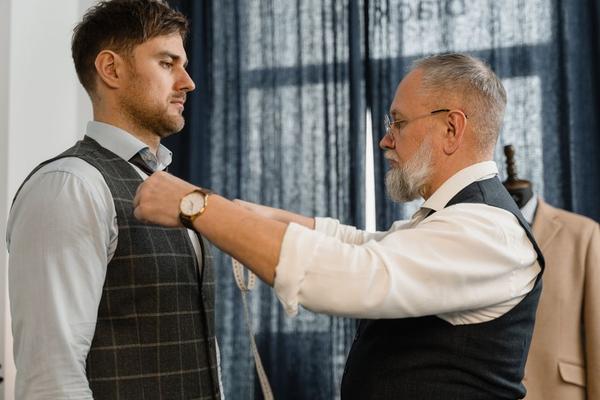
A great tailor does more than shorten trousers or replace a zip. The right person can make everyday clothes sit better, rescue pieces you thought were unwearable, and help you buy more intelligently because you understand what can and cannot be altered. Finding a tailor you trust means looking beyond the nearest shop sign and paying attention to workmanship, communication, pricing, and how carefully they assess a garment before suggesting changes.
Start by deciding what kind of tailoring you need
Before searching, be clear about the job. Simple alterations such as trouser hems, sleeve shortening, waist adjustments, or replacing buttons are routine for many alteration shops. More complex work, including reshaping a suit jacket, altering a lined coat, adjusting shoulders, changing the structure of a dress, or working with delicate fabrics, requires greater skill and experience.
The best person for a straightforward hem may not be the best choice for an expensive suit or formal gown. A practical tailoring services guide starts with the garment itself: its construction, fabric, value, and the result you want. For difficult or sentimental pieces, choose someone who regularly handles that type of work rather than simply chasing the lowest price.
Ask for recommendations, but make them specific
Friends, colleagues, local clothing stores, bridal shops, menswear retailers, and dry cleaners can all be useful sources when finding a tailor. Ask what work was actually done. “They altered my wedding dress perfectly” tells you more than “I have used them before.” Online reviews can also help, especially when customers describe the garment, alteration, turnaround time, and how the tailor handled problems.
Look for patterns rather than one glowing or angry review. Repeated comments about careful fittings, clean finishing, realistic advice, or missed deadlines are more useful than star ratings alone.
Visit the tailor before handing over an important garment
A short in-person conversation can reveal a lot. A good tailor should inspect the garment, ask how you want it to fit, and explain what is realistically possible. They may pin the clothing while you wear it and ask how you normally style the piece.
Be cautious if someone promises a major alteration without examining the garment closely. Tailoring has limits. Seam allowances may be too small to let a garment out, decorative details can restrict shortening, and changing shoulders or armholes can affect the balance of a jacket. Honest limitations are usually a better sign than confident promises.
Use a small test job first
One of the safest alteration tips is to begin with a lower-risk garment. Take in a shirt, shorten a pair of trousers, or adjust a simple skirt before trusting the tailor with an expensive coat, suit, or special-occasion dress. This lets you judge their pinning, communication, finishing, punctuality, and whether the final fit matches what was discussed.
For example, if you have three pairs of work trousers and an important suit, bring one pair of trousers first. Wear your usual shoes, explain where you want the hem to fall, and inspect the result. If both legs are even, the stitching is neat, the length feels right, and the deadline is met, you have useful evidence before moving on to the suit.
Questions to ask a tailor before approving the work
What alteration do you recommend?
Describe the problem rather than dictating the solution. Saying “this jacket feels loose through the waist” gives the tailor room to assess whether the side seams, back seams, or another area should be adjusted. Ask what they would change and why.
Have you worked on this type of garment or fabric before?
This is especially useful for leather, silk, velvet, heavily embellished clothing, tailored jackets, formalwear, and vintage pieces. Experience with similar construction can reduce the chance of damage or an alteration that changes the garment in an unintended way.
How much will it cost, and could the price change?
Get a clear quote before leaving the garment. Some jobs become more complicated once seams or linings are opened, so ask whether the figure is fixed or an estimate. Clear pricing is part of good service.
When will it be ready, and will I need another fitting?
Simple work may require one visit; more involved alterations can need multiple fittings. For an event garment, share the actual date and leave time for adjustments.
Know what good alteration work looks like
When you collect the garment, try it on rather than judging it on a hanger. Sit, walk, raise your arms, bend your knees, and fasten buttons or zips. The garment should look balanced and feel comfortable for its intended use.
Check that hems are even, seams lie smoothly, and there are no obvious puckers, twisted fabric, loose threads, or new pulling. Inside finishing matters too. A professional alteration should not look as though the garment was hurriedly opened and stitched back together. If something feels wrong, raise it before leaving so the tailor can see the issue while you are wearing the garment.
Build a useful relationship over time
Once you find someone reliable, remember what has worked for you. You may learn that you prefer a particular trouser length, shirt sleeve position, or amount of ease in jackets. That shared history makes future fittings faster and more consistent.
Understanding how clothes should fit, which alterations are worth paying for, and basic clothing care tips also makes it easier to judge whether a garment is worth altering.
Frequently asked questions
How do I know if a tailor is good?
Look for careful assessment, clear explanations, realistic promises, transparent pricing, neat finished work, and consistent feedback from customers who had similar garments altered. A small test alteration is often the most reliable way to judge quality.
Should I wash clothes before taking them to a tailor?
If a washable garment may shrink, laundering it according to its care label before setting a final length can be sensible. Clean garments are also more pleasant to handle. For delicate or dry-clean-only pieces, follow the care instructions and ask the tailor if you are unsure.
What should I wear to a fitting?
Bring the shoes, underwear, shapewear, belt, or other layers you expect to wear with the garment when they affect fit. Heel height can change trouser or dress length, while different undergarments can noticeably alter formalwear.
Is every clothing alteration possible?
No. Fabric availability, seam allowance, garment construction, design details, and the location of the problem all create limits. A skilled tailor should explain when a change is impractical, likely to look poor, or would cost more than the garment justifies.
Choose skill and communication, not just convenience
Learning how to find a good tailor is mostly about reducing uncertainty. Define the job, gather specific recommendations, ask sensible questions, and test the relationship with a manageable alteration. Price and location matter, but they should not outweigh workmanship and honest advice. Once you find a tailor who understands how you like clothes to fit and consistently delivers clean, well-finished work, that relationship can make both new purchases and older favourites far more useful.