
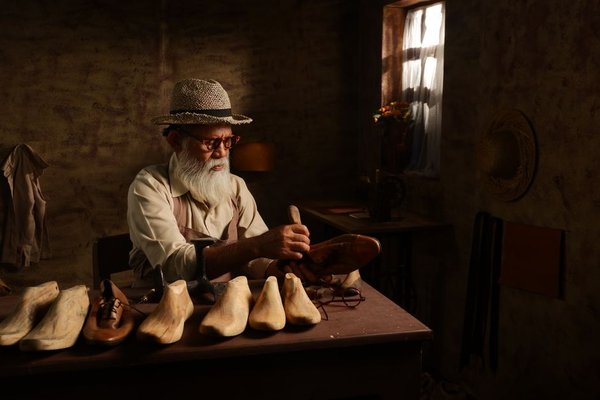
Shoes rarely wear out because of one dramatic mistake. More often, they deteriorate through small habits: leaving mud to dry into the upper, wearing the same pair every day, drying wet shoes beside a radiator, or storing them crushed under other footwear. A simple care routine can slow that damage, keep shoes looking better, and reduce how often they need replacing.
Extending shoe lifespan also means getting more use from the materials and manufacturing already invested in a pair. The most sustainable shoes in your wardrobe are often the ones you already own and continue to wear.
Start With the Material, Not the Stain
Before cleaning anything, identify what the shoe is made from and check the manufacturer’s care instructions. Leather, suede, canvas, mesh, knit fabric, and synthetic uppers respond differently to moisture, brushes, cleaners, and conditioners. A method that freshens a canvas trainer can permanently mark suede or damage a delicate leather finish.
Use the least aggressive method first. Remove loose dirt with a soft brush or cloth, test cleaner on an inconspicuous area, and avoid soaking the shoe. Light, regular cleaning is usually safer than heavy scrubbing.
Build a Small After-Wear Routine
Good shoe care starts before a deep clean is needed. After wearing a pair, knock off dry dirt, wipe away fresh splashes, and let the shoes air out before returning them to a cupboard. If they are damp from sweat or weather, give them time to dry fully before the next wear.
Rotating everyday pairs gives each one time to dry and recover. For structured leather shoes, shoe trees can help preserve shape. If leather trainers get soaked on Monday, wipe them down, remove the insoles if practical, loosely fill them with absorbent paper, and let them dry naturally. Wear another pair Tuesday if they are still damp.
How to Clean Sneakers Without Wearing Them Out Faster
People searching for how to clean sneakers often assume the washing machine is easiest. Unless the brand specifically says machine washing is suitable, hand cleaning gives you more control over water, friction, and drying.
Remove laces and loose dirt first
Take out the laces and, where appropriate, removable insoles. Brush dried mud and grit from the outsole and upper before adding water. This prevents dry dirt from turning into a muddy paste that spreads across the shoe.
Use mild cleaning and controlled moisture
For many synthetic, mesh, or fabric sneakers, a soft cloth or brush with mild soapy water is enough. Work on one section at a time and avoid saturating foam, glue lines, padding, or the interior. Wipe away residue with a damp cloth instead of rinsing the entire shoe.
Air-dry patiently
Direct heat can deform components, weaken adhesives, or dry some materials too aggressively. Let sneakers dry at room temperature with airflow around them. Clean paper placed loosely inside can help absorb moisture and support the shape; replace it if it becomes saturated.
Care for Leather Before It Becomes Dry and Cracked
Smooth leather benefits from gentle cleaning and occasional conditioning, but more product is not automatically better. Wipe away dust first. If deeper cleaning is needed, use a product intended for that type of leather. Once the leather is clean and dry, a small amount of suitable conditioner can help maintain flexibility.
Polish can be useful when the finish is designed for it, but conditioner and polish do different jobs. Keep products away from fabric panels, suede, and rubber unless their instructions say they are compatible. If you are comparing future purchases, sustainable shoe materials is a useful topic to explore alongside basic shoe care tips.
Treat Suede and Nubuck Gently
Let ordinary dirt dry, then use a brush made for suede or nubuck to lift the nap and remove surface debris. A suitable suede eraser may help with small marks. Because water can darken or spot some finishes, avoid general-purpose wet cleaning unless the care instructions allow it.
A protector designed for suede or nubuck can resist light moisture and stains. Test it in a hidden area and apply it as directed in a well-ventilated place. Protection reduces risk; it does not make delicate shoes waterproof.
Store Shoes So They Keep Their Shape
Clean shoes before long-term storage. Mud, road salt, oils, and moisture are harder on materials when left in place for weeks or months. Store pairs in a cool, dry, ventilated area away from strong sunlight and heat. Avoid sealing damp shoes in plastic containers or stacking heavy footwear on top of soft uppers.
Boot supports can stop shafts collapsing, while leather dress shoes can use well-fitting shoe trees. Sneakers need less structure but should still be stored without being crushed. A guide to building a sustainable wardrobe can connect better buying decisions with better maintenance.
Repair Small Problems Before They Become Big Ones
Prevention should match how you wear the shoes. If a pair regularly sees wet pavements, use a compatible protector. If heels wear unevenly or sole edges start lifting, a cobbler may be able to intervene early. Loose stitching, damaged eyelets, and worn heel tips are also worth addressing.
Replace footwear if the sole has lost necessary traction, the structure no longer supports the foot properly, or damage cannot be repaired reliably. For repairable pairs, a shoe repair and resoling guide is a natural next step.
Avoid Over-Cleaning
Too much cleaning can shorten a shoe’s life just as neglect can. Repeated scrubbing, frequent soaking, or excessive conditioning adds unnecessary wear. Clean when the shoes are dirty, deal with moisture promptly, and use the gentlest effective method.
Frequently Asked Questions
How often should I clean my shoes?
Remove light dirt soon after wear, but do a full clean only when needed. Frequency depends on the material, weather, and use. Gentle, timely maintenance is better than frequent aggressive cleaning.
Can I put sneakers in the washing machine?
Only if the manufacturer specifically recommends it. Machine washing can be hard on adhesives, cushioning, decorative finishes, and some upper materials. Hand cleaning is the safer default for many sneakers.
What is the best way to dry wet shoes?
Remove surface dirt, take out removable insoles when appropriate, and let the shoes dry naturally with good airflow. Absorbent paper can help inside. Avoid radiators, tumble dryers, hair dryers, and other concentrated heat unless the manufacturer explicitly permits them.
Does rotating shoes really make them last longer?
Rotation helps frequently worn shoes dry and recover between wears. It also spreads abrasion and compression across more than one pair instead of concentrating daily wear on one shoe.
Make Maintenance Part of Owning Shoes
The most effective routine is simple: clean dirt before it becomes ingrained, dry shoes slowly, store them without crushing or trapping moisture, use material-appropriate products, and repair small problems early. Those habits preserve appearance, comfort, and function while reducing unnecessary replacement.
You do not need a shelf full of specialist products to care for shoes well. A soft brush, clean cloths, and an understanding of each material will handle most everyday maintenance. Treat every pair as something worth maintaining rather than something disposable, and longer wear becomes much easier to achieve.